
When you phone for a tow, one of the first questions you may hear is “what are you driving?” It sounds like small talk, but it decides which truck gets sent. Choosing between a flatbed vs hook and chain tow, or a modern wheel lift, affects whether your vehicle arrives at the shop in the same condition it left your driveway. This guide explains the three main methods in plain language, which vehicles belong on which, and what to ask so you are not surprised when the truck shows up.
At Maxim Towing & Recovery in Edmonton we run flatbed and wheel-lift equipment, plus medium duty trucks for larger vehicles. We would rather spend five minutes on the phone matching the right truck to your car than spend an afternoon fixing a problem caused by the wrong method.
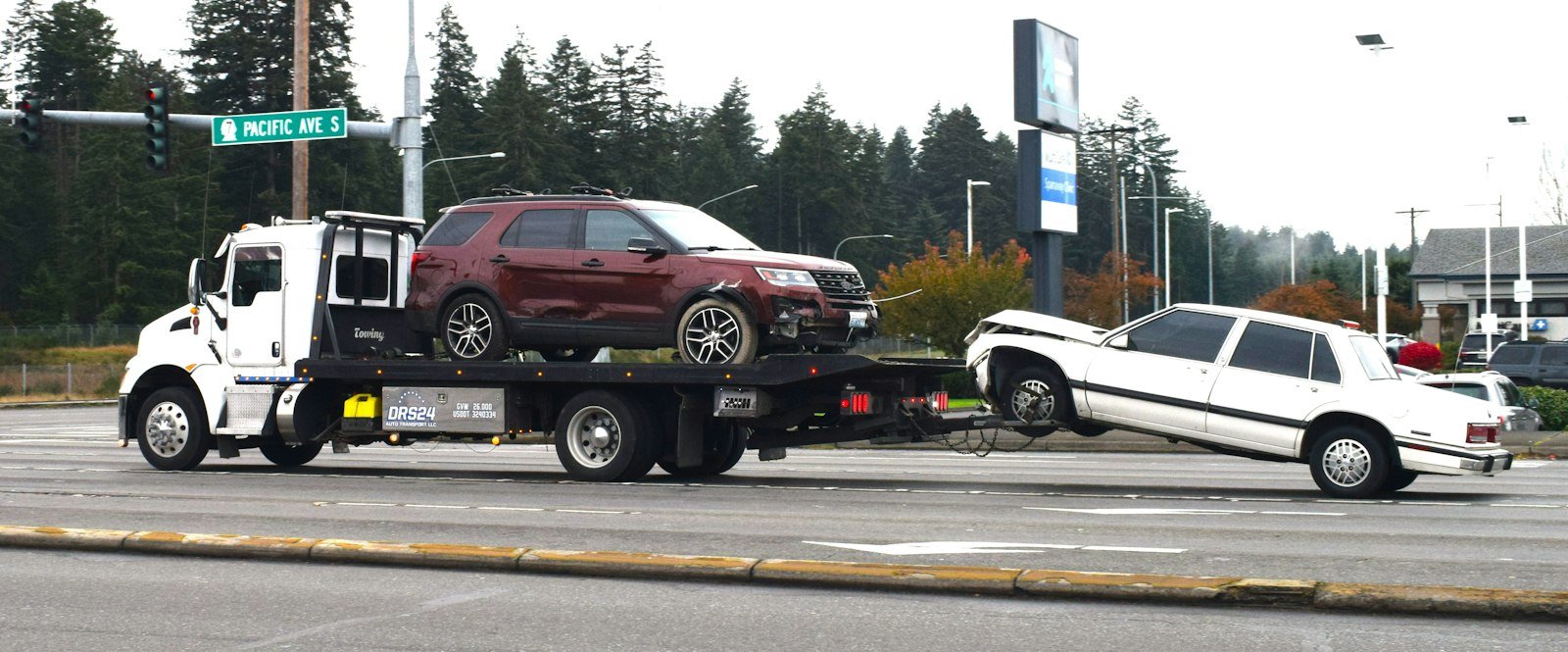
The three towing methods, explained
Flatbed towing
A flatbed, also called a rollback or car carrier, has a long, flat platform that tilts and slides back to ground level. The vehicle is winched or driven up onto the bed, secured with straps or chains at designated points, and carried with all four wheels off the road. The vehicle rides the way it would on a trailer.
This is the gentlest method for most cars. Nothing drags, nothing rolls, and the drivetrain does not turn while the car is moving. That is why it is the usual choice for all-wheel-drive and four-wheel-drive vehicles, electric vehicles, low sports cars, damaged vehicles and anything that does not roll freely. You can read more on our flatbed towing Edmonton page.
Wheel-lift towing
A wheel-lift truck uses a metal yoke that slides under the front or rear tires and lifts that end off the ground. The other two wheels roll along the road. Think of it as a more modern, more controlled version of the old hook and chain method. It is quick and compact, which makes it popular for parking lots, tight spaces and short city tows.
Wheel lift works well for many front-wheel-drive and rear-wheel-drive cars when the rolling wheels turn freely and the steering is sound. It is not a good match for some drivetrains, which we cover below.
Hook and chain towing
The oldest method uses chains looped around the frame or axle and a hook, with the boom lifting one end of the car. It is still used for certain scrapyard moves and rough recoveries of junk vehicles. For a regular car, it is largely a thing of the past because chains can scratch bumpers and bend undercarriage parts, and modern bumpers are mostly plastic covers over foam.
If a company still shows up with chains for your ordinary road car, ask why. There may be a reason, but you should hear it before the car is attached.
Why the difference matters
It is easy to assume a tow is a tow. In reality the method can change the outcome in several ways.
- Drivetrain wear. If the driven wheels are on the road while the car moves, the transmission, transfer case or differentials can spin without lubrication. Over a long distance that can damage them.
- Body damage. Chains and poorly padded forks can mark bumpers and undercarriage panels.
- Steering and suspension damage. If a wheel is bent or a joint has failed, towing it on its remaining wheels can make things worse.
- Ground clearance problems. Low cars scrape on ramps or curbs when lifted at the wrong angle.
Which vehicles need a flatbed?
A flatbed is the safest choice in many cases. Consider one when your vehicle is any of the following.
- All-wheel drive or four-wheel drive. Many have a centre differential or transfer case that is not designed to spin without the engine running. Check your owner’s manual, which often states the recommended towing method.
- Electric or hybrid. Rolling the wheels of an electric vehicle can generate current through the motor and can damage the drive unit. Most manufacturers recommend flatbed transport.
- Low or sports cars. Front splitters and low bumpers can be damaged by a steep lift angle.
- Damaged vehicles. If the car was in a collision, the steering or suspension may be compromised.
- Locked wheels or seized brakes. A wheel that will not turn must not be dragged.
- Luxury and classic cars. The extra care is worth it.
- Vehicles with automatic transmissions that cannot be put in neutral. Without a way to free the driveshaft, they should be carried.
When in doubt, say “my car should go on a flatbed” and ask the dispatcher to confirm. It is your vehicle and your decision.
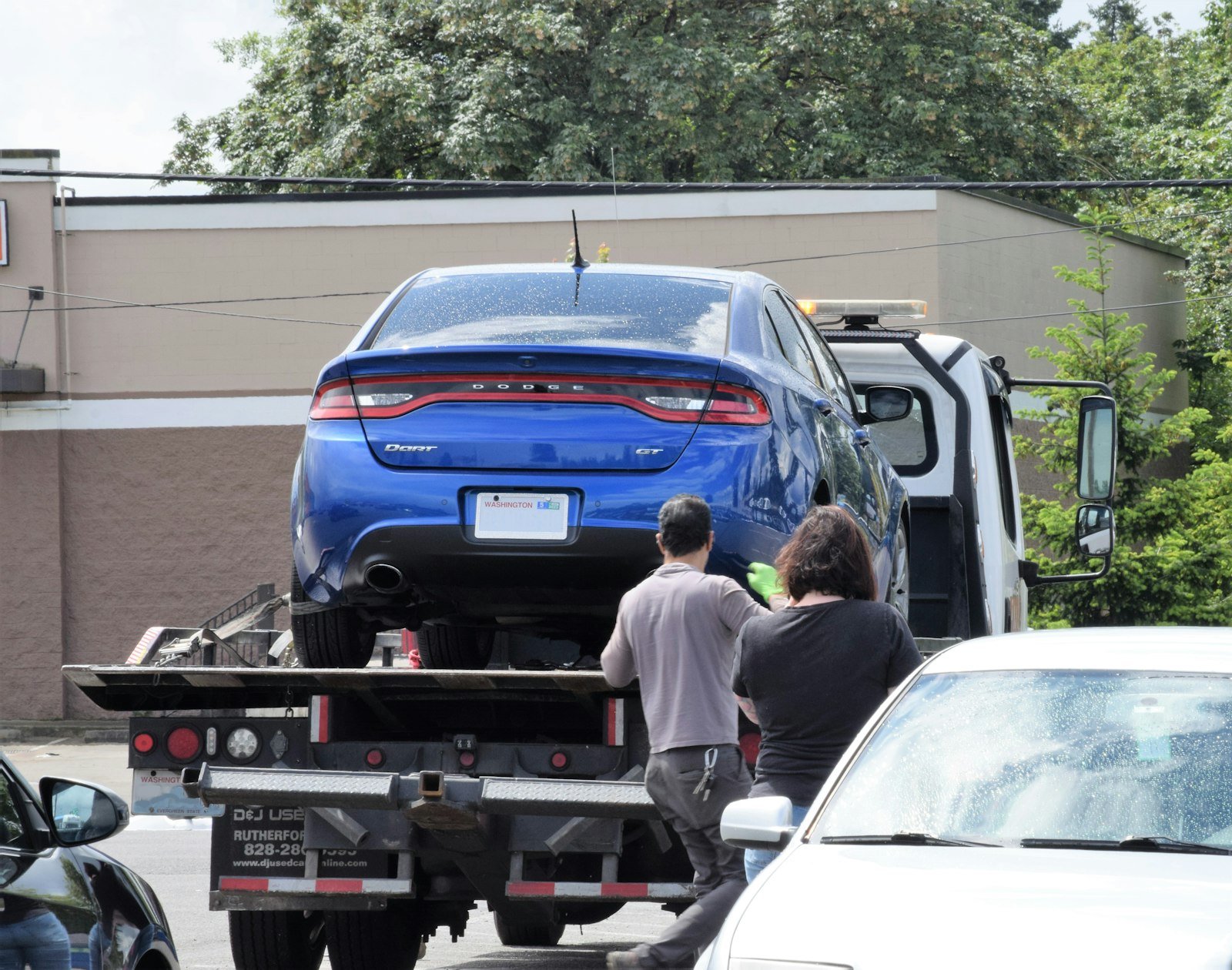
When is a wheel lift fine?
Wheel lift towing is perfectly reasonable in the right situation, and a good operator knows when. It suits:
- Two-wheel-drive cars, where the operator lifts the driven wheels so the wheels left on the ground can roll freely. Which end is lifted depends on the drivetrain.
- Short moves in parking lots and underground garages where a flatbed will not fit.
- Vehicles that are easy to steer and have free-rolling wheels.
- Quick relocations, such as moving a car that is illegally parked.
A competent operator will use dollies or skates when a wheel lift needs help, for example when a wheel is locked. Dollies put the lifted wheels on small rolling carts so the tires are not dragged.
What about heavier vehicles?
Pickup trucks, cargo vans, cube vans and small box trucks need heavier equipment. A standard car flatbed can handle many light trucks, but once weight, height or length climbs, the job moves to a medium duty truck. Our medium duty towing page explains what we handle and how to tell whether your vehicle falls into that range. Read our guide on medium duty vs heavy duty towing for the full breakdown.
Questions to ask before the truck arrives
A short conversation protects you. Ask these without apologizing, since a good company will welcome them.
- What type of truck are you sending? Flatbed, wheel lift or something else.
- Is that suitable for my drivetrain? Tell them if it is all-wheel drive, electric or hybrid.
- How will the car be secured? Proper tie-downs at designated points, with wheel straps or chains.
- Will anything touch my bumper or body panels? Ask about padding and approach.
- Will the car go in neutral with the parking brake off? A competent operator takes care of this.
- What is the total price? Our article on how much towing costs in Edmonton lists the questions that matter.
What good loading looks like
You do not need to supervise, but it helps to know what a careful load looks like. The operator should inspect the vehicle, note any existing damage and take photos if there is a doubt. The truck should be positioned in line with the car, with the bed lowered to a gentle angle. The winch cable should attach to a tow hook or recovery point, not a random piece of suspension. Once on the bed, the car is put in park or neutral as needed, the parking brake is set if appropriate, and the tie-downs go on, usually four of them. A final check, then the bed tilts back to travel position.
If you see an operator hurrying, using chains on plastic bumpers or ignoring your questions, you can say stop. It is your vehicle.
Special cases
Stuck or in a ditch
When a car is off the road, a recovery comes first and a tow second. A winch pulls the vehicle to solid ground, and then the method is chosen. Our guide on accident recovery covers that process.
Underground parkades
Low ceilings may block a flatbed. A wheel lift or a small, low-profile truck might be the only way in. Tell the dispatcher about the height and the layout when you call.
Cars with a dead battery
If the issue is only a battery, a boost may save a tow entirely. See our guide on how to boost a car battery and our battery boost service. If the car also has a drivetrain fault, ask for a flatbed.
Winter conditions
Ice, snow and cold stiffen straps, reduce traction and slow everything down. A flatbed is not just gentler on the car; in poor conditions it is often the safer way to move it. We write about the extra care needed in our cold weather guide.
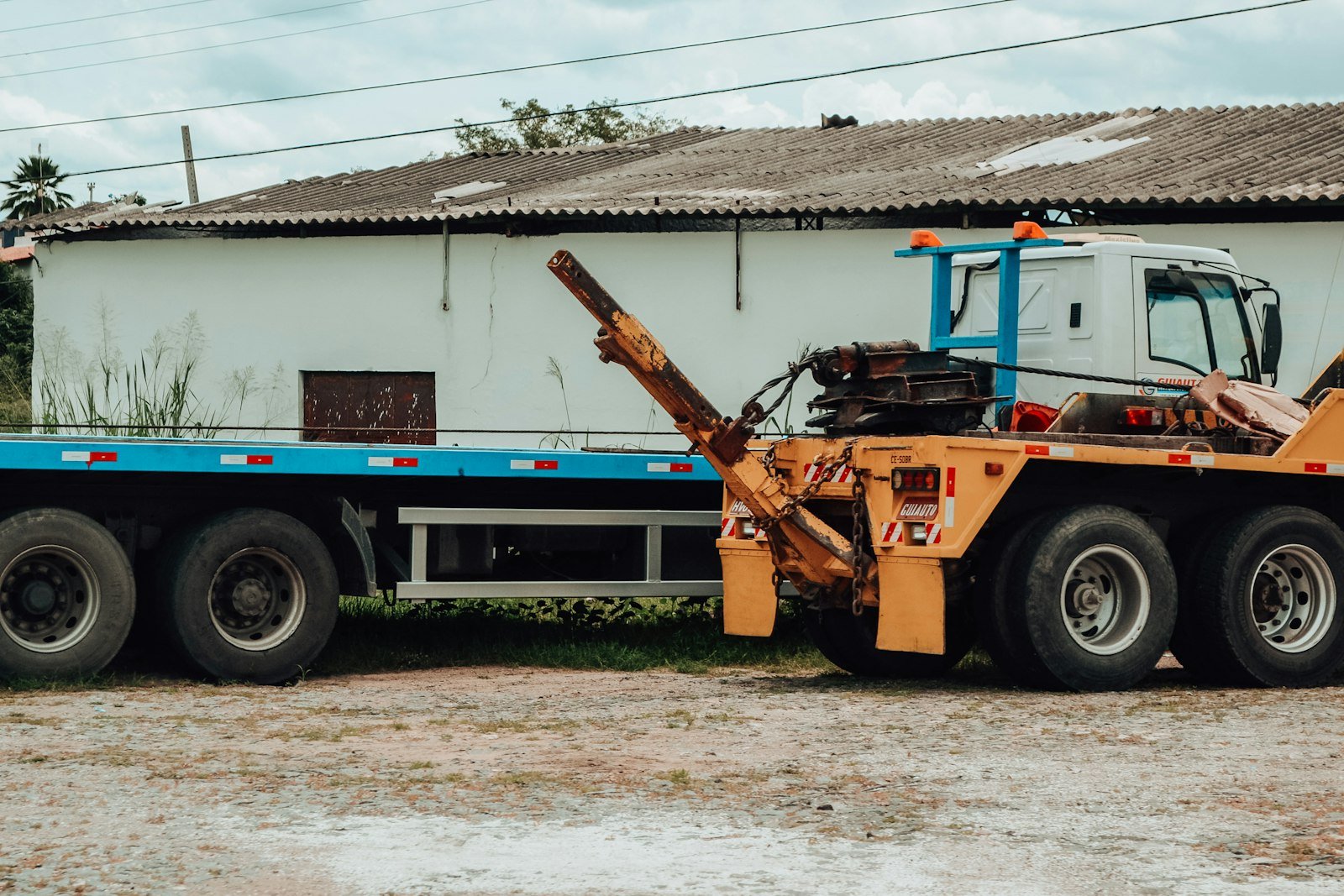
Common myths about towing methods
“A flatbed is always more expensive.” It can be priced differently, but the price depends on distance, location and conditions as well. The cost of repairing a damaged transmission is much larger than any difference in the tow.
“Hook and chain is fine for everything.” It was common once, but modern cars have plastic bumpers and sensitive sensors in places where chains used to go.
“If I put the car in neutral it can be towed any way.” Not true for many all-wheel-drive and electric vehicles. Neutral does not make it safe to spin the wheels over a long distance.
“The driver knows best.” Usually, yes, but you know the vehicle. Share what you know.
How we choose at Maxim Towing & Recovery
When you phone (780) 604-4060, the dispatcher asks about the vehicle, the drivetrain, the condition and the location. If the details point to a flatbed, we send a flatbed. If a wheel lift is suitable and the location demands it, we explain why. We quote a typical arrival window of 30 to 45 minutes, and we accept cash, credit and debit. If you are unsure, say so, and we will walk through the options.
Your rights and your preferences
It is your vehicle, so you are entitled to ask how it will be moved and to say what you are comfortable with. If your manual says flatbed only, say so firmly and politely. If a driver arrives with the wrong truck, you can ask for the correct one rather than accept a compromise that puts the car at risk. A reputable company will respect that, because a damaged vehicle is a problem for everyone involved, including the operator. Keep the towing section of your manual saved on your phone, since it settles most questions in seconds and shows the operator that you know what the manufacturer recommends.
A final tip for winter tows
In deep cold, strap tension and ramp traction change, and ice under the wheels makes loading slower. Give the operator a little extra room and time, move people well back from the truck and let them work. A careful, unhurried load in January is far better than a rushed one that scratches a bumper or strains a winch cable. If you have valuables inside, take them with you before the car is loaded, and photograph the vehicle from each side so you have a record of its condition.
Frequently asked questions
Is a flatbed better than a wheel lift?
For many vehicles, yes, especially all-wheel-drive, electric, low or damaged cars. A wheel lift is fine for some two-wheel-drive cars and tight spaces.
Can any car be towed on a flatbed?
Nearly all, though very low cars may need special ramps or a different approach. Mention it when you call.
Is hook and chain towing safe?
It can damage modern vehicles. It is now mostly used for scrap or rough recovery work. Ask the operator why if it is proposed for a regular car.
Do electric vehicles need a flatbed?
Most manufacturers recommend it, since rolling the wheels can damage the drive system. Check your owner’s manual.
Will a flatbed fit in my parkade?
Not always. Low ceilings and tight turns can prevent it. Give the dispatcher the clearance height and layout.
How do I know the car is secured properly?
Look for four tie-down points with straps or chains on the wheels or frame, and ask the operator to explain. A careful driver is happy to show you.
Need the right truck? Call us
Phone Maxim Towing & Recovery on (780) 604-4060, any hour. Tell us what you drive and where you are, and we will send the truck that suits it. You can also send a message through our contact page or read about our other roadside services.
{“@context”:”https://schema.org”,”@type”:”FAQPage”,”mainEntity”:[{“@type”:”Question”,”name”:”Is a flatbed better than a wheel lift?”,”acceptedAnswer”:{“@type”:”Answer”,”text”:”For many vehicles, yes, especially all-wheel-drive, electric, low or damaged cars. A wheel lift is fine for some two-wheel-drive cars and tight spaces.”}},{“@type”:”Question”,”name”:”Can any car be towed on a flatbed?”,”acceptedAnswer”:{“@type”:”Answer”,”text”:”Nearly all, though very low cars may need special ramps or a different approach.”}},{“@type”:”Question”,”name”:”Is hook and chain towing safe?”,”acceptedAnswer”:{“@type”:”Answer”,”text”:”It can damage modern vehicles and is now mostly used for scrap or rough recovery work.”}},{“@type”:”Question”,”name”:”Do electric vehicles need a flatbed?”,”acceptedAnswer”:{“@type”:”Answer”,”text”:”Most manufacturers recommend it, since rolling the wheels can damage the drive system. Check your owner’s manual.”}},{“@type”:”Question”,”name”:”Will a flatbed fit in my parkade?”,”acceptedAnswer”:{“@type”:”Answer”,”text”:”Not always. Low ceilings and tight turns can prevent it.”}},{“@type”:”Question”,”name”:”How do I know the car is secured properly?”,”acceptedAnswer”:{“@type”:”Answer”,”text”:”Look for four tie-down points with straps or chains, and ask the operator to explain.”}}]}
One Response