
If you drive an electric vehicle or an all-wheel-drive crossover, the way it gets towed matters far more than it does for an older rear-drive sedan. The wrong method can quietly damage parts that cost thousands to replace, and the damage may not show up until days later. This guide on towing an electric vehicle or AWD car in Edmonton explains why these vehicles are different, which method is usually safest, what to look up in your owner’s manual and what to say when you phone for help.
We are Maxim Towing & Recovery, a 24/7 towing and roadside company in north Edmonton. We are not vehicle engineers, and every make has its own rules, so treat this as a practical guide and always put your manufacturer’s instructions first. Still, patterns are consistent enough that we can give you a solid starting point.
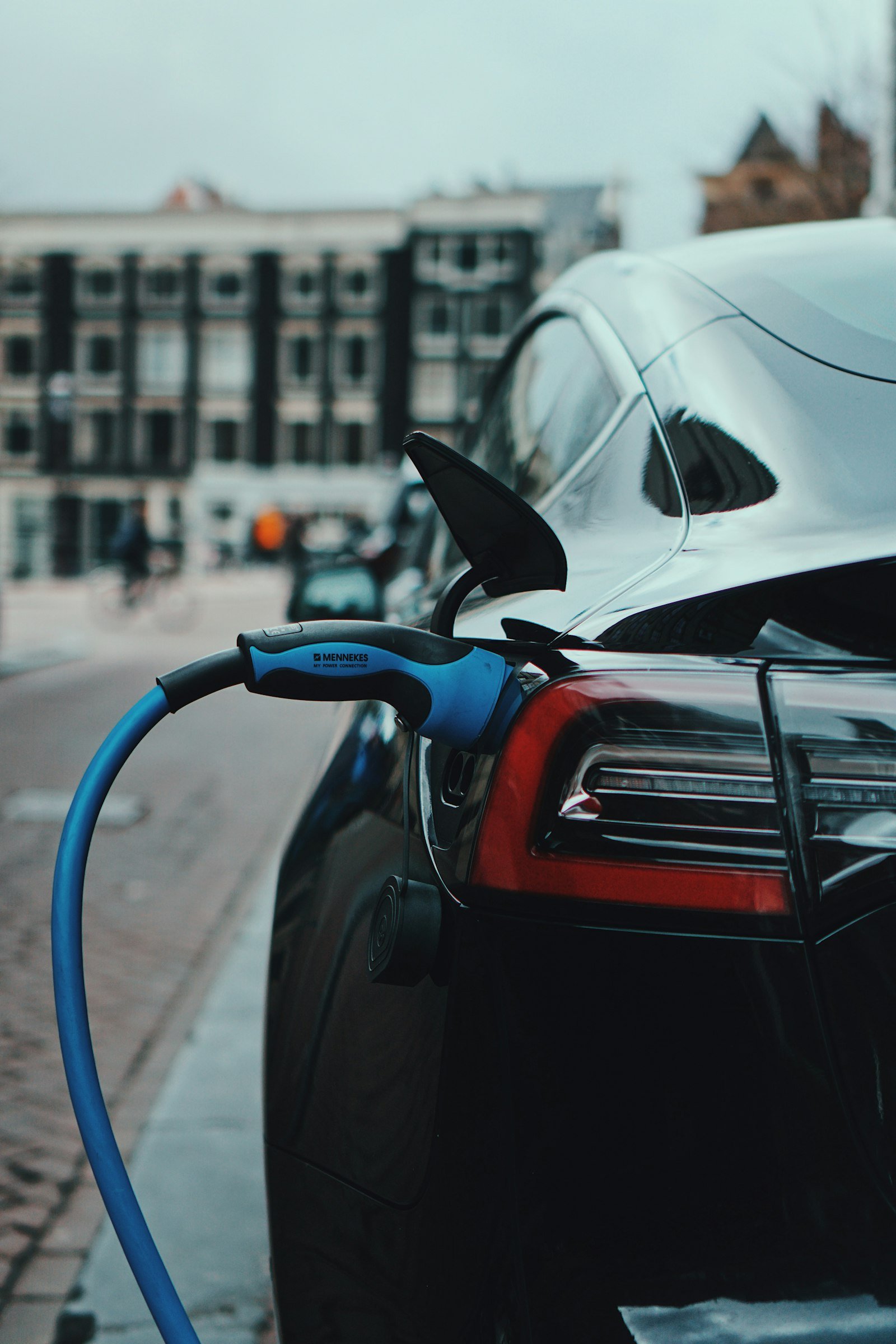
Why electric and AWD vehicles are different
All-wheel-drive and four-wheel-drive
In a typical front-wheel-drive car, only the front wheels are connected to the engine through the transmission. If you tow it with the front wheels lifted, the rear wheels can spin freely without turning anything important. In an all-wheel-drive or four-wheel-drive vehicle, all four wheels are linked to the drivetrain through differentials, a transfer case or a centre coupling. If any wheel spins on the road while the engine is off, the connected parts can turn without lubrication or cooling. Over a short distance this may be harmless. Over a long tow, it can overheat or damage components.
That is why many manufacturers instruct owners to flatbed AWD and 4×4 vehicles, or to use dollies under all four wheels in specific cases.
Electric vehicles
An electric vehicle has no gearbox in the traditional sense, but the motors are directly connected to the wheels. When the wheels turn, the motor can spin and generate electricity. Without the normal controls managing that current, it can cause heat or electrical faults in the drive unit and power electronics. Many manufacturers also say that the wheels must not be rolled with the vehicle powered down.
EVs also have a high-voltage battery pack and cooling systems that can be affected by collisions and water. Special procedures exist for moving a damaged EV, and these should be followed by the operator on the day.
Hybrids
Hybrids carry both a combustion engine and an electric motor. Depending on design, they may behave like an electric vehicle for towing purposes. Check the manual rather than guessing.
The safest choice: a flatbed
A flatbed truck carries the vehicle with all four wheels off the ground, so nothing in the drivetrain turns. For electric, hybrid and AWD vehicles, this is the method most manufacturers recommend. Our flatbed towing service uses a tilting bed and a winch to load vehicles gently. Read our broader comparison of flatbed, wheel lift and hook and chain towing if you want the details of each method.
If a flatbed cannot reach the vehicle, for example in a tight underground parkade, the operator may use dollies or skates to lift all the wheels off the ground, or find another method approved by the manufacturer. Tell the dispatcher about access problems when you phone.
What to look up in your owner’s manual
Your manual will usually have a section titled “Towing” or “Emergency Towing”. Look for the following.
- Whether flatbed transport is required, recommended or optional.
- Whether the vehicle can be towed with wheels on the ground, and the speed and distance limits.
- Which wheels, if any, may stay on the ground.
- How to put the vehicle into a transport or “tow” mode, if one exists.
- Where the official tow hooks or loops are located, and how to attach them.
- How to release the parking brake if the electronics fail.
- Special warnings about the high-voltage system after a collision.
Take a photo of that page and save it in your phone. It is much easier to share with the tow operator than to read on a roadside at night.
What to tell the dispatcher
When you phone (780) 604-4060, say clearly what you drive. A few extra words help the right truck come the first time.
- “It is an electric vehicle” or “it is all-wheel drive”.
- The make and model.
- Whether it will power on, shift into neutral or release the parking brake.
- Whether it has been in a collision, and whether warning lights are on.
- The charge level, if it is relevant, and whether it is plugged in.
- Where it is: street, garage, parkade or charging station.
This is not fussiness. If you simply say “my car won’t start” and the truck arrives with a wheel lift, you may have to wait for a second truck or have the vehicle moved incorrectly.
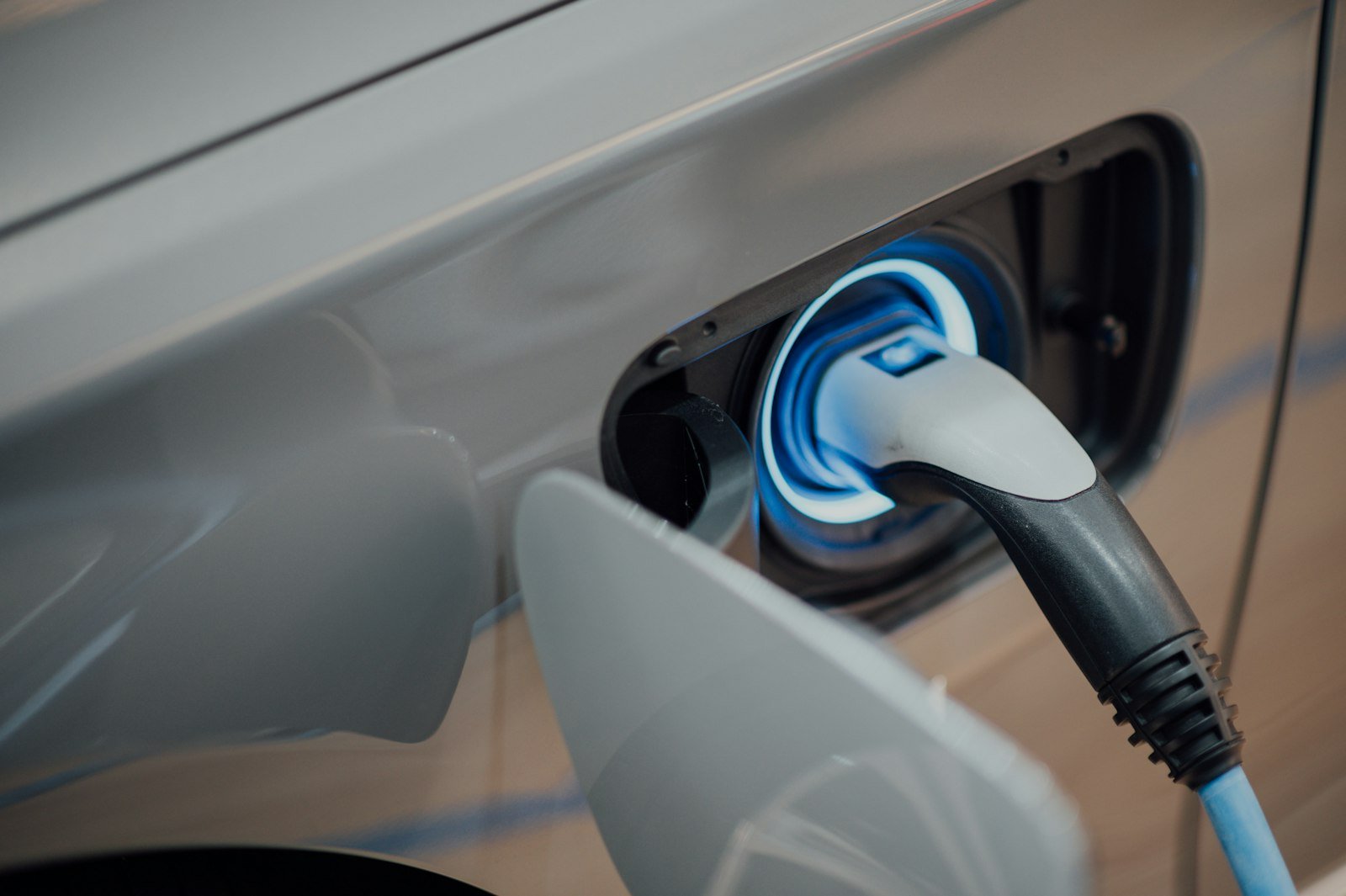
Common situations and what to do
The EV has run out of charge
Running out of charge is the EV version of running out of fuel. Unlike a fuel delivery, there is rarely a quick mobile fix available. The usual solution is a flatbed tow to the nearest charger or to your home. Tell the dispatcher where you want to go, and whether a fast charger is nearby. Plan ahead in winter, since cold weather reduces range for most electric vehicles.
The car will not start or shift
If an EV or AWD vehicle will not power on, will not shift out of park or has electrical warning lights, do not force it. A quick restart may work, but if the 12-volt battery is flat, the car may be unable to disengage the parking lock. The tow operator may need to boost the 12-volt system or use the manufacturer’s emergency release. For battery help, see our battery boost page. Note that some EVs have specific jump procedures, so ask before connecting anything.
After a collision
A crash can damage the high-voltage battery or its wiring. If you see smoke, smell burning, hear hissing or see fluid leaks, step away from the vehicle and call 911. Do not touch orange high-voltage cables. Tell the tow operator that an EV was involved so they can follow the manufacturer’s procedure. Our article on what to do after a car accident covers the general steps.
Stuck in snow or a ditch
Recovery of an AWD or electric vehicle needs the right attachment points and a controlled pull. Using the wrong place can crack a plastic cover or bend a subframe. See our recovery service and our guide to a car stuck in a snowbank.
Winter cold
Cold drains EV range, thickens fluids in AWD systems and reduces battery output. Plan for the possibility that a trip will take more energy than you expect. Warm up the cabin while plugged in, if you can, and keep the charge above a comfortable buffer.
What about “neutral tow” modes?
Some vehicles have a special mode that allows towing with the wheels on the ground. Nothing about this is universal, and it often has strict limits: very low speeds, short distances, or specific wheels only. Even where it is allowed, many operators prefer a flatbed for peace of mind. If a manual says “flatbed only”, respect it.
Common mistakes with AWD and EV towing
- Towing on a wheel lift because the car is “in neutral”. Neutral does not protect all drivetrains.
- Assuming a short tow is harmless. Damage can happen over short distances, especially at speed.
- Using the wrong tow point. Plastic loops and light brackets may not carry the load.
- Skipping the manual. The right answer is already printed for your car.
- Letting the vehicle roll with the electronics off. It can produce current in an EV.
- Ignoring the 12-volt battery. Many “dead” EVs have a flat small battery, not a flat main pack.
- Forgetting insurance. Some policies list specific towing requirements.
How we handle these vehicles
When an EV or AWD vehicle is on the call sheet, we send a flatbed unless the manufacturer says something different. The operator inspects the vehicle, notes any existing damage, and uses the correct tow hooks or wheel straps. We keep to the manufacturer’s loading instructions, and we are happy to read the page of the manual that you send. We quote a typical arrival window of 30 to 45 minutes, we accept cash, credit and debit, and we tell you the expected total before the truck is sent.
Insurance and warranty considerations
Many manufacturers include roadside assistance for the first several years of a vehicle’s life. Some insurers also cover towing, often with limits, and may specify a flatbed for EVs. Before paying, check what you already have. Ask whether the plan covers flatbed transport, how far it covers and whether you need to use a specific company. If an unsuitable tow causes damage, document it with photos and tell your insurer or manufacturer promptly. Warranty coverage can be affected by incorrect towing, which is another reason to follow the manual.
Plan ahead before it happens
- Photograph the towing page of the manual and save it.
- Save the roadside assistance number from your manufacturer or insurer.
- Save our number: (780) 604-4060.
- Know the location of the tow hook and what it looks like.
- Keep your 12-volt battery healthy. See cold weather battery tips.
- In winter, charge earlier than you think you need to.
Charging stations and tow-ins
If an electric vehicle runs out of charge, the cheapest fix is often a tow to the nearest working charger rather than all the way home. Check that the charger is working and compatible before the truck leaves, and ask whether you can stay with the vehicle while it charges. In cold weather, charging is slower, so allow more time than you think.
Tell your insurer
If an EV or AWD vehicle was involved in a collision, tell your insurer it is electric or all-wheel drive when you report the claim. Some insurers have specific procedures and approved repair shops for high-voltage vehicles, and mentioning it early avoids delays.
Before you let anyone touch the car
Whoever arrives, take thirty seconds to ask what equipment they are using and whether they have towed your type of vehicle before. A confident operator will answer without fuss. If you hear guesses instead of answers, politely ask for a flatbed or call another company. Your vehicle is a significant investment, and a short conversation costs nothing compared with a repair bill for a damaged drive unit or transfer case.
Frequently asked questions
Can an electric vehicle be towed on a wheel lift?
Most manufacturers recommend a flatbed because rolling the wheels can generate current and damage the drive system. Check your manual before agreeing to anything else.
Why do all-wheel-drive cars need a flatbed?
All wheels are linked to the drivetrain, so spinning any of them while the engine is off can damage parts that are not lubricated.
Is it safe to tow a hybrid on a flatbed?
Yes. A flatbed is the safest option for almost every hybrid.
What if my EV battery is dead?
A flat 12-volt battery can stop the car from shifting. The tow operator may boost it or use an emergency release before loading it.
Will towing void my warranty?
Not if it is done according to the manufacturer’s instructions. Wrong methods can cause damage that is not covered, so follow the manual.
Do you tow Teslas and other electric cars?
Yes. We carry electric and AWD vehicles on flatbeds. Tell the dispatcher what you drive when you call.
Need a flatbed for your EV or AWD vehicle?
Call Maxim Towing & Recovery on (780) 604-4060, any hour. Tell us what you drive and where you are, and we will send the right truck. You can also use the contact page or read about our roadside assistance.
{“@context”:”https://schema.org”,”@type”:”FAQPage”,”mainEntity”:[{“@type”:”Question”,”name”:”Can an electric vehicle be towed on a wheel lift?”,”acceptedAnswer”:{“@type”:”Answer”,”text”:”Most manufacturers recommend a flatbed because rolling the wheels can generate current and damage the drive system. Check your manual.”}},{“@type”:”Question”,”name”:”Why do all-wheel-drive cars need a flatbed?”,”acceptedAnswer”:{“@type”:”Answer”,”text”:”All wheels are linked to the drivetrain, so spinning any of them while the engine is off can damage parts that are not lubricated.”}},{“@type”:”Question”,”name”:”Is it safe to tow a hybrid on a flatbed?”,”acceptedAnswer”:{“@type”:”Answer”,”text”:”Yes. A flatbed is the safest option for almost every hybrid.”}},{“@type”:”Question”,”name”:”What if my EV battery is dead?”,”acceptedAnswer”:{“@type”:”Answer”,”text”:”A flat 12-volt battery can stop the car from shifting. The tow operator may boost it or use an emergency release before loading it.”}},{“@type”:”Question”,”name”:”Will towing void my warranty?”,”acceptedAnswer”:{“@type”:”Answer”,”text”:”Not if it is done according to the manufacturer’s instructions. Wrong methods can cause damage that is not covered.”}},{“@type”:”Question”,”name”:”Do you tow Teslas and other electric cars?”,”acceptedAnswer”:{“@type”:”Answer”,”text”:”Yes. We carry electric and AWD vehicles on flatbeds. Tell the dispatcher what you drive when you call.”}}]}
One Response