
Every Edmonton driver knows the feeling. The first real cold snap arrives, the thermometer drops well below zero and your car decides, on the one morning you are late, that it would like to stay in bed. A winter car checklist for Edmonton will not make the weather kinder, but it can make your vehicle far more likely to start, stop and steer the way you expect. Most cold-weather breakdowns come down to a few predictable weaknesses: an old battery, tired tires, thin fluids, worn wipers or a neglected cooling system. All of them are easier to deal with in a driveway in October than on a shoulder in January.
We are Maxim Towing & Recovery in north Edmonton, and we respond to winter breakdowns every year. The list below comes from what we see on the road, not from a brochure. We are not mechanics, so for repairs and testing, use a qualified shop. For everything you can check yourself, this guide gives you a clear order.
Why winter is hard on cars
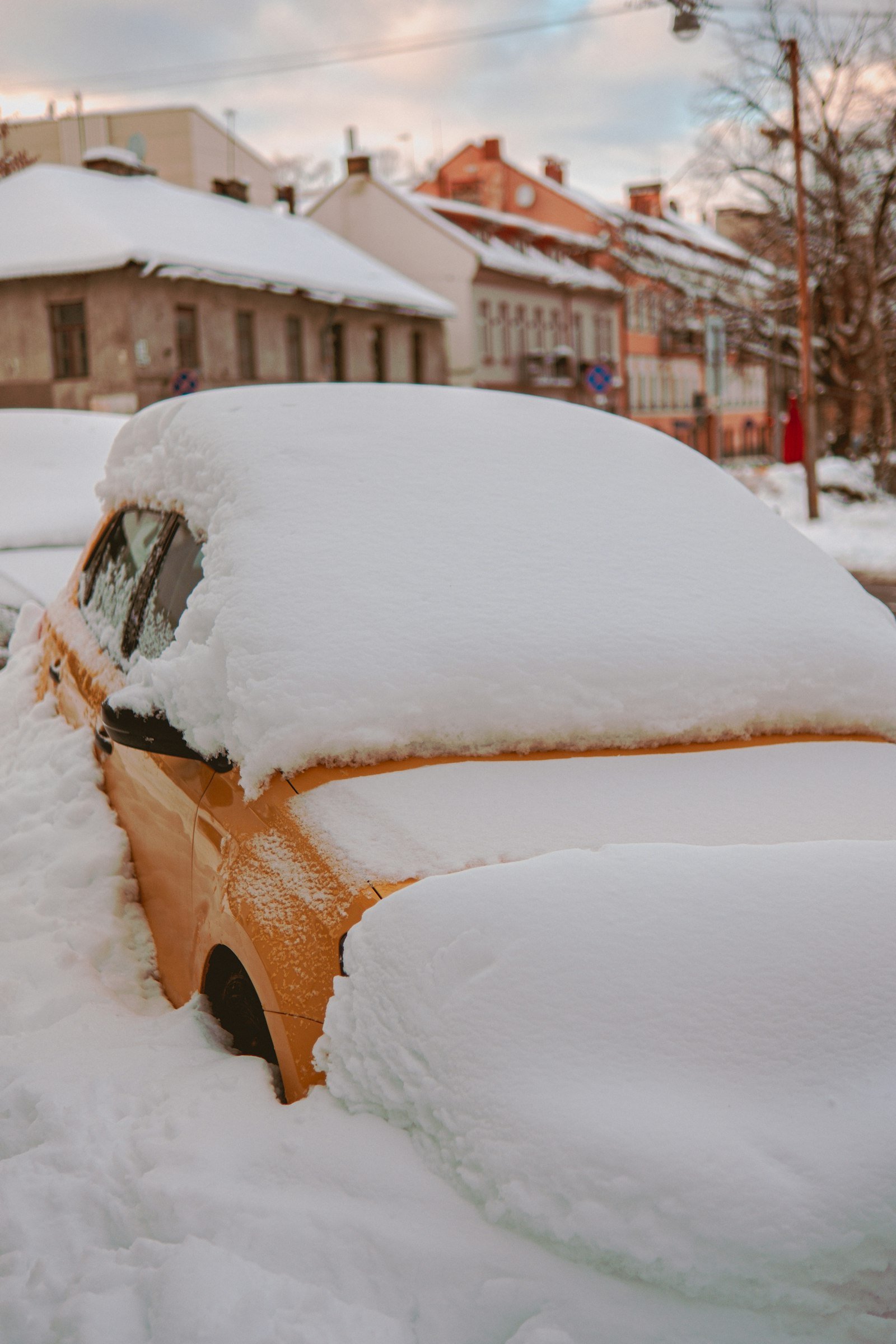
Cold affects almost every part of a vehicle. Batteries lose strength, because the chemical reaction that produces power slows in low temperatures. Engine oil thickens and takes more effort to pump. Tires stiffen, and their pressure drops. Rubber hoses and belts become brittle. Windshield washer fluid can freeze. Add salt, slush and ice to the mix, and parts that were adequate in summer may fail in a week of deep cold.
The checklist, system by system
1. Battery and charging system
The battery is the number one cause of winter no-starts. A battery that has served for several years may work perfectly in autumn and give up at -25 °C.
- Have the battery load-tested at a shop. Many do it for free or a small fee.
- Check the age, which is often printed on the label. Batteries commonly need replacing after several years of service.
- Clean corroded terminals with a wire brush and make sure the cables are tight.
- Look for a swollen case, cracks or leaks.
- If you drive mostly short trips, the battery may not get fully charged. A longer drive now and then helps.
- Keep a set of jumper cables or a portable booster in the trunk.
Read our detailed guides on cold weather car battery tips, the frozen car battery and how to boost a car battery. If yours fails, our battery boost service can get you going.
2. Tires
Tires are your only contact with the road, and they matter more in winter than anything else.
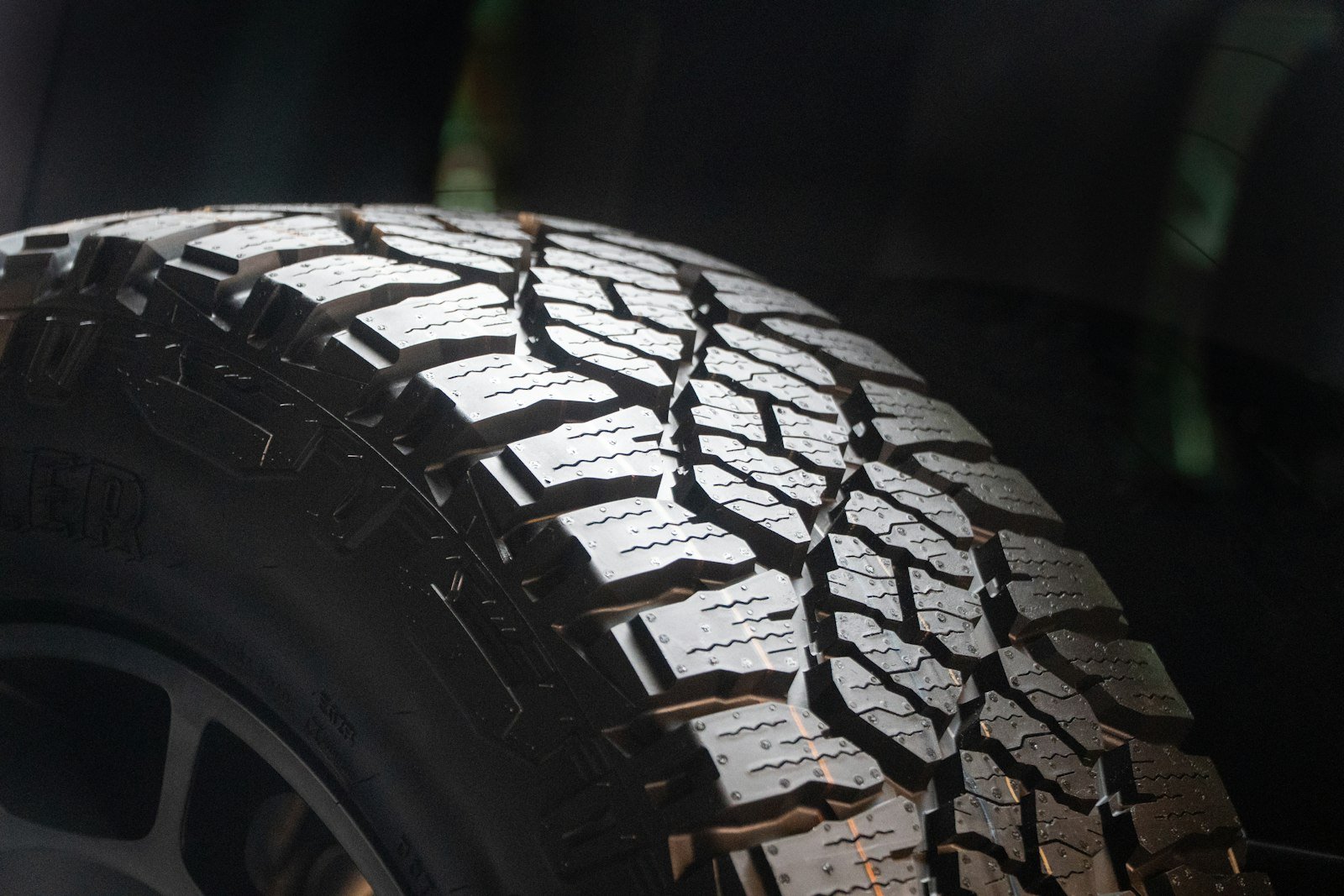
- Use winter tires. Tires marked with the mountain-and-snowflake symbol are designed for cold, snow and ice. All-season tires stiffen and lose grip in the cold.
- Check the tread depth. Worn tires lose traction quickly. Use a gauge, or ask a tire shop.
- Check pressure regularly. Pressure drops as the temperature falls. Check when the tires are cold, and follow the figure on the sticker inside the driver’s door.
- Inspect for damage. Look for bulges, cuts and uneven wear.
- Check the spare. A flat spare is a common surprise. If you have a flat on the road, see our flat tire service.
3. Fluids
- Coolant (antifreeze). Make sure the level is right and the mix protects against low temperatures. Old or diluted coolant can freeze or fail to protect the engine.
- Windshield washer fluid. Fill with winter-rated fluid that does not freeze. Keep a spare jug.
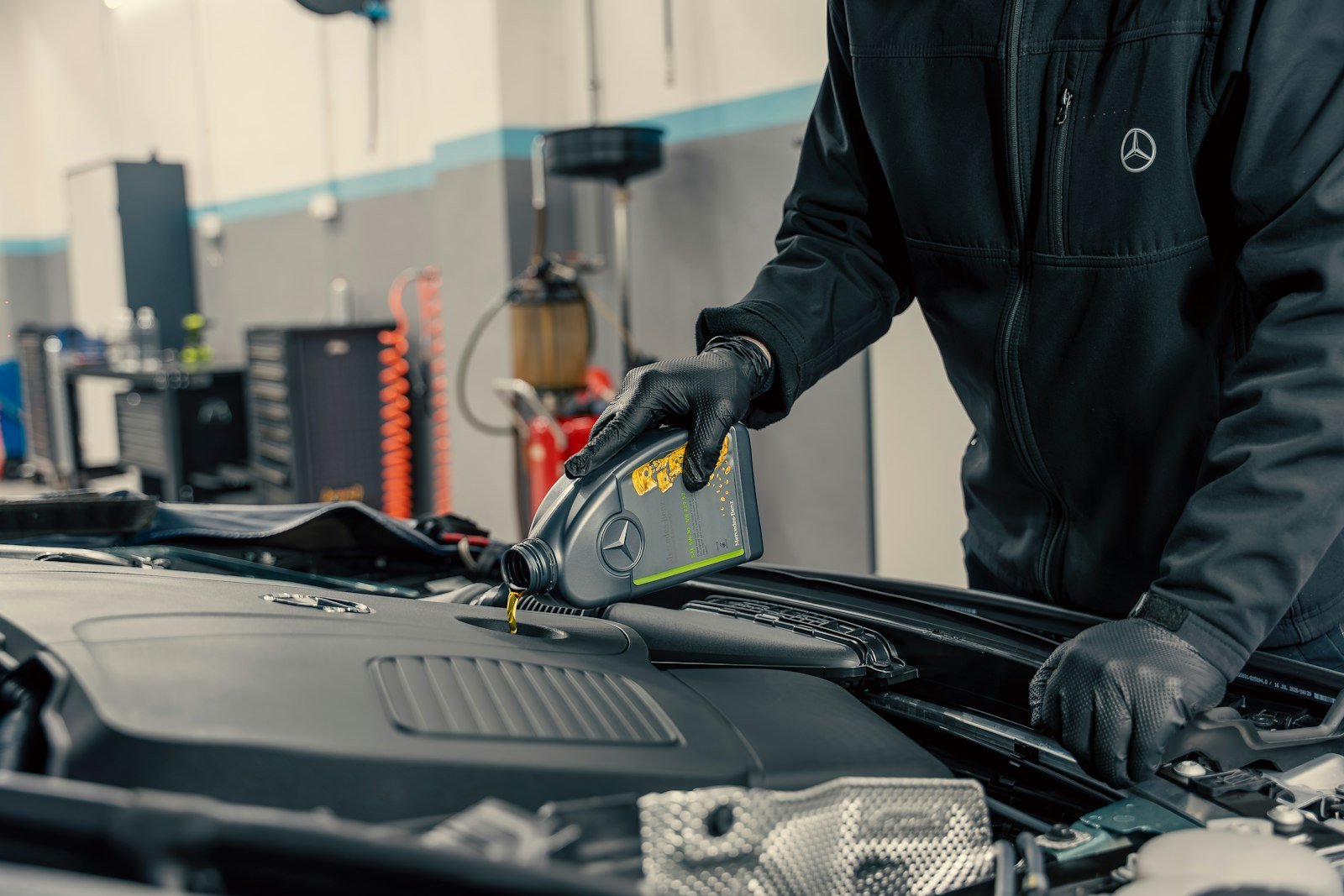
- Engine oil. Check the level and the grade your manual recommends for cold climates. Change it if it is due.
- Brake fluid and power steering fluid. Check levels, and have a shop test brake fluid if you are unsure of its age.
- Fuel. Keep the tank at least a quarter full, ideally half, to reduce condensation and to leave you a buffer if you get stuck.
4. Wipers and visibility
- Replace worn wiper blades. Winter blades with a rubber boot resist ice build-up.
- Clean the inside and outside of all windows. A dirty windshield glares badly in low winter sun.
- Check the defroster and rear defogger.
- Test all lights: headlights, brake lights, signals and fog lights. Clear snow and ice from them as well.
- Check for chips and cracks in the windshield. Cold can turn a small chip into a long crack.
5. Brakes and suspension
Ice and snow stretch stopping distances, so brakes need to be in good shape. Have them inspected if you notice noise, vibration or a soft pedal. Worn shocks and struts reduce control on rough, frozen roads.
6. Belts, hoses and the cooling system
Cold makes rubber brittle. Have a mechanic check belts and hoses for cracks and fraying. Overheating can happen in winter too, as we explain in our article on a car overheating.
7. Heater and defroster
If your heater blows cold or only lukewarm, it can signal low coolant or a failing thermostat. Fix it before the deep freeze.
8. Doors, locks and seals
Frozen doors and locks are a daily irritation. A silicone spray on rubber seals helps prevent them freezing shut. A little lock de-icer helps with the locks. Never pour hot water on a frozen window or lock. If you do get locked out, see our guide on locked keys in the car.
9. Block heater and plug-in
If your vehicle has an engine block heater, test it before the cold arrives. Check the cord for cracks and the plug for damage. A block heater warms the engine so it starts more easily and reduces wear. Plug in for a few hours on very cold nights, as your manual recommends, and use an outdoor-rated extension cord.
The winter emergency kit
Even a well-prepared car can be stranded by a snowstorm or a collision. A basic kit makes the wait safer. See our separate guide for a full list; here is the short version.
- Jumper cables or a portable jump starter
- Small shovel and a bag of sand or kitty litter
- Ice scraper and snow brush
- Flashlight with spare batteries
- Warm blanket, gloves, hat and boots
- Phone charger or power bank
- Water and non-perishable snacks
- First-aid kit
- Reflective triangles or flares
- Windshield washer fluid
- A copy of your insurance and the number of a tow company: (780) 604-4060
For more on getting help on the road, read our guide to roadside assistance type services.
How to drive in winter
A prepared car still needs a careful driver.
- Slow down and leave much more space between you and the vehicle ahead.
- Brake gently and early. If you have anti-lock brakes, press firmly and steadily.
- Accelerate smoothly to avoid wheel spin.
- Take corners slowly, and avoid sudden steering inputs.
- Watch for black ice, especially on bridges, overpasses and shaded stretches.
- Clear all snow from the roof, hood and lights before driving.
- Warm up the car briefly, and never leave it running in a closed garage.
- If you start to slide, ease off the throttle and steer gently where you want to go.
If you slide into a snowbank, our guide on a car stuck in a snowbank explains what to try before calling for help.
A month-by-month timeline
September to October
Book a service. Test the battery. Fit winter tires. Replace wipers. Check lights and fluids.
November
Fill the emergency kit. Test the block heater. Check tire pressure after the first frosty mornings. Fill up washer fluid.
December to February
Keep the tank above a quarter. Plug in on the coldest nights. Clear snow and ice every time. Check tire pressure monthly. Keep an eye on the battery.
March and April
Wash off road salt, particularly underneath the vehicle. Check for damage from potholes. Switch back to summer or all-season tires when temperatures stay consistently warmer.
What to do if you are stranded anyway
If, despite everything, you end up stranded, stay calm. Turn on your hazard lights, stay with the vehicle unless you are in danger, run the engine in short stretches with the tailpipe clear to keep warm and call for help. Tell the dispatcher your location, what has happened and what you drive. Our typical arrival window is 30 to 45 minutes, and we tell you honestly if the weather will stretch it. Our article on how long a tow truck takes explains why.
Not every problem needs a tow. Our roadside assistance can often fix a dead battery, a flat tire, a lockout or an empty tank on the spot. If a tow is needed, many winter vehicles, especially all-wheel-drive models, should go on a flatbed.
Small habits that make a big difference
A checklist is useful, but daily habits matter just as much once the cold arrives.
- Brush snow off the whole car, including the roof, before you drive. Snow sliding off a roof can blind the driver behind you.
- Check your tire pressure after the first big temperature drop, not just once at the start of the season.
- Park nose-out where possible so you can drive away easily and keep the exhaust clear of drifts.
- Keep a spare phone charger in the car and a small flashlight in the glovebox.
- Wash the car when temperatures allow, especially underneath, to remove road salt that eats at brake lines and body panels.
- Lubricate door seals so they do not freeze shut overnight.
When to book a service
Do not wait for a warning light. If your car is slow to crank, has a rough idle, pulls to one side under braking or shows a temperature gauge that wanders, book a mechanic before the deep freeze. Garages fill up quickly after the first big snowfall, and the weeks before it are usually calmer and cheaper. Bring a short list of what you have noticed, such as noises, smells and the times of day the problem shows up, because it helps the mechanic find the cause faster.
Before a long winter drive
Trips outside the city deserve a few extra minutes of planning. Check the road reports for your route, tell someone your expected arrival time, fill the tank, charge your phone and pack your emergency kit. Leave earlier than you think you need to, because winter roads steal time. If conditions turn bad, the safest choice is often to wait, find a warm place and set off again when the roads are clear.
Frequently asked questions
When should I put winter tires on in Edmonton?
Many drivers switch when temperatures stay consistently around seven degrees Celsius or below, since winter tires grip better than all-seasons in the cold. Ask a tire shop for advice.
How can I tell if my battery is about to fail?
Slow cranking, dim lights, a clicking sound or a battery that is several years old are warning signs. A load test at a shop gives a reliable answer.
Should I warm up my car before driving?
A short warm-up of a minute or two is usually enough for modern cars. Drive gently until the engine reaches normal temperature.
How much fuel should I keep in the tank in winter?
At least a quarter, ideally half. It gives you a buffer if you are stranded and helps prevent condensation.
Do I need a block heater?
In very cold conditions it helps the engine start and reduces wear. Check your manual and local advice.
What should I do first if my car won’t start in the cold?
Check for lights and clicks to judge the battery, try again after a short rest, and call for a boost if needed. See our guide on why a car won’t start in cold weather.
Ready for winter? Keep our number handy
If the cold gets the better of your car, phone Maxim Towing & Recovery on (780) 604-4060, any hour. We handle boosts, tire changes, lockouts, fuel delivery and towing across Edmonton. You can also reach us through the contact page.
{“@context”:”https://schema.org”,”@type”:”FAQPage”,”mainEntity”:[{“@type”:”Question”,”name”:”When should I put winter tires on in Edmonton?”,”acceptedAnswer”:{“@type”:”Answer”,”text”:”Many drivers switch when temperatures stay consistently around seven degrees Celsius or below. Ask a tire shop for advice.”}},{“@type”:”Question”,”name”:”How can I tell if my battery is about to fail?”,”acceptedAnswer”:{“@type”:”Answer”,”text”:”Slow cranking, dim lights, a clicking sound or a battery that is several years old are warning signs. A load test at a shop gives a reliable answer.”}},{“@type”:”Question”,”name”:”Should I warm up my car before driving?”,”acceptedAnswer”:{“@type”:”Answer”,”text”:”A short warm-up of a minute or two is usually enough for modern cars. Drive gently until the engine reaches normal temperature.”}},{“@type”:”Question”,”name”:”How much fuel should I keep in the tank in winter?”,”acceptedAnswer”:{“@type”:”Answer”,”text”:”At least a quarter, ideally half.”}},{“@type”:”Question”,”name”:”Do I need a block heater?”,”acceptedAnswer”:{“@type”:”Answer”,”text”:”In very cold conditions it helps the engine start and reduces wear. Check your manual.”}},{“@type”:”Question”,”name”:”What should I do first if my car won’t start in the cold?”,”acceptedAnswer”:{“@type”:”Answer”,”text”:”Check for lights and clicks to judge the battery, try again after a short rest, and call for a boost if needed.”}}]}