
The temperature gauge creeps toward red, a sweet smell drifts through the vents and then, without much warning, steam starts curling from the edges of the hood. If your car is overheating in Edmonton, the next few minutes decide whether you have a small problem or a very expensive one. An engine that is run hot for even a short time can warp parts, blow a head gasket or seize outright. The good news is that quick, calm action often prevents the worst. This guide covers what to do, in order, what to avoid, what usually causes overheating and when you should stop driving and phone for a tow.
We are Maxim Towing & Recovery in north Edmonton, and we see overheated vehicles in summer heat, in winter cold, on the Henday and on quiet side streets. We are not mechanics, so we stick to the roadside side of things. For diagnosis and repair, a qualified mechanic is the person to see.
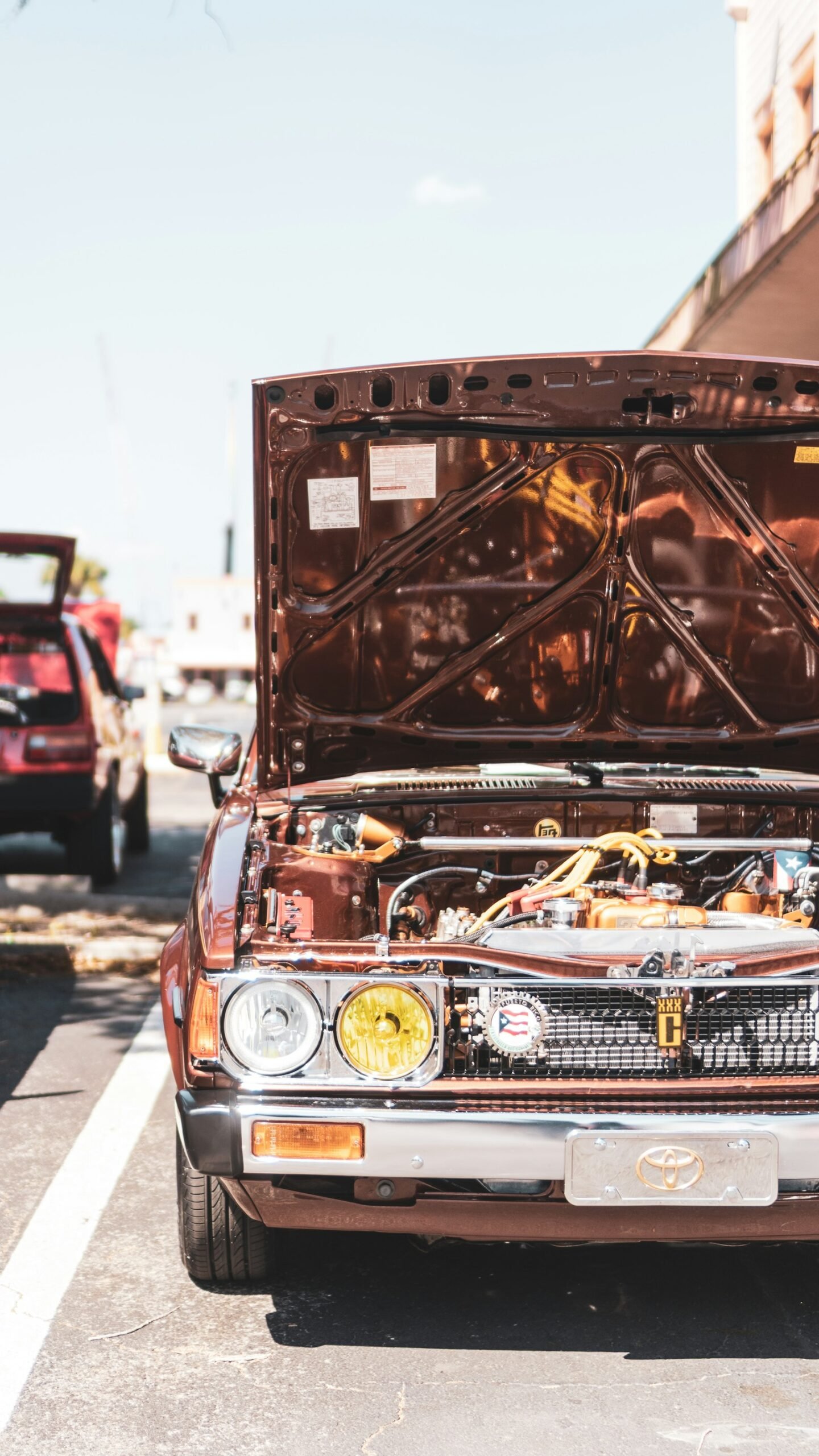
Recognize the warning signs
Overheating rarely arrives without a hint. Watch for these signs.
- The temperature gauge rising above its normal mid-point, or a warning light for engine temperature.
- Steam or white vapour from under the hood.
- A sweet, syrupy smell, which is often coolant.
- Reduced power or the engine feeling rough.
- Ticking or knocking noises from the engine.
- Puddles under the car, particularly green, orange or pink fluid.
- The heater blowing cold when it should be warm, which can mean low coolant.
The earlier you act, the better the outcome. If you notice the gauge climbing, start looking for a safe place to stop immediately.
Step 1: Reduce the load and find a safe spot
As soon as you notice the problem, take the strain off the engine.
- Turn off the air conditioning. The compressor adds load to the engine.
- Turn the heater to full hot and the fan to high. It sounds odd, but the heater core acts as a small extra radiator and pulls heat from the engine. Roll the windows down if it gets uncomfortable.
- Ease off the throttle. Avoid hard acceleration.
- Signal and pull over. Use hazard lights and move to a safe place off the road, away from traffic.
If you are on a ring road, follow the steps in our guide on a breakdown on the Anthony Henday so you stay safe while waiting.
Step 2: Stop and shut the engine off
Once you are safely stopped, put the car in park, apply the parking brake and turn off the engine. Do not keep idling to “cool it down”. With a failing cooling system, an idling engine can keep heating up. There is one exception: if the engine temperature is high but you have no steam, some mechanics suggest idling briefly in park with the heater on high. But if there is steam, smell of coolant or a warning light, switch it off.
Step 3: Stay clear and wait
The engine and the coolant are very hot and under pressure. Opening the hood or the radiator cap too soon can cause serious burns.
- Stay away from the front of the car while steam is visible.
- If the hood is closed and steam is escaping, wait before opening it. Pop the hood latch from inside, then wait a few minutes and lift it carefully using the secondary latch from the side of the car.
- Do not touch the radiator, hoses or the cap.
- Wait at least 30 minutes for the engine to cool before inspecting. In cold weather it cools faster, but the same caution applies.
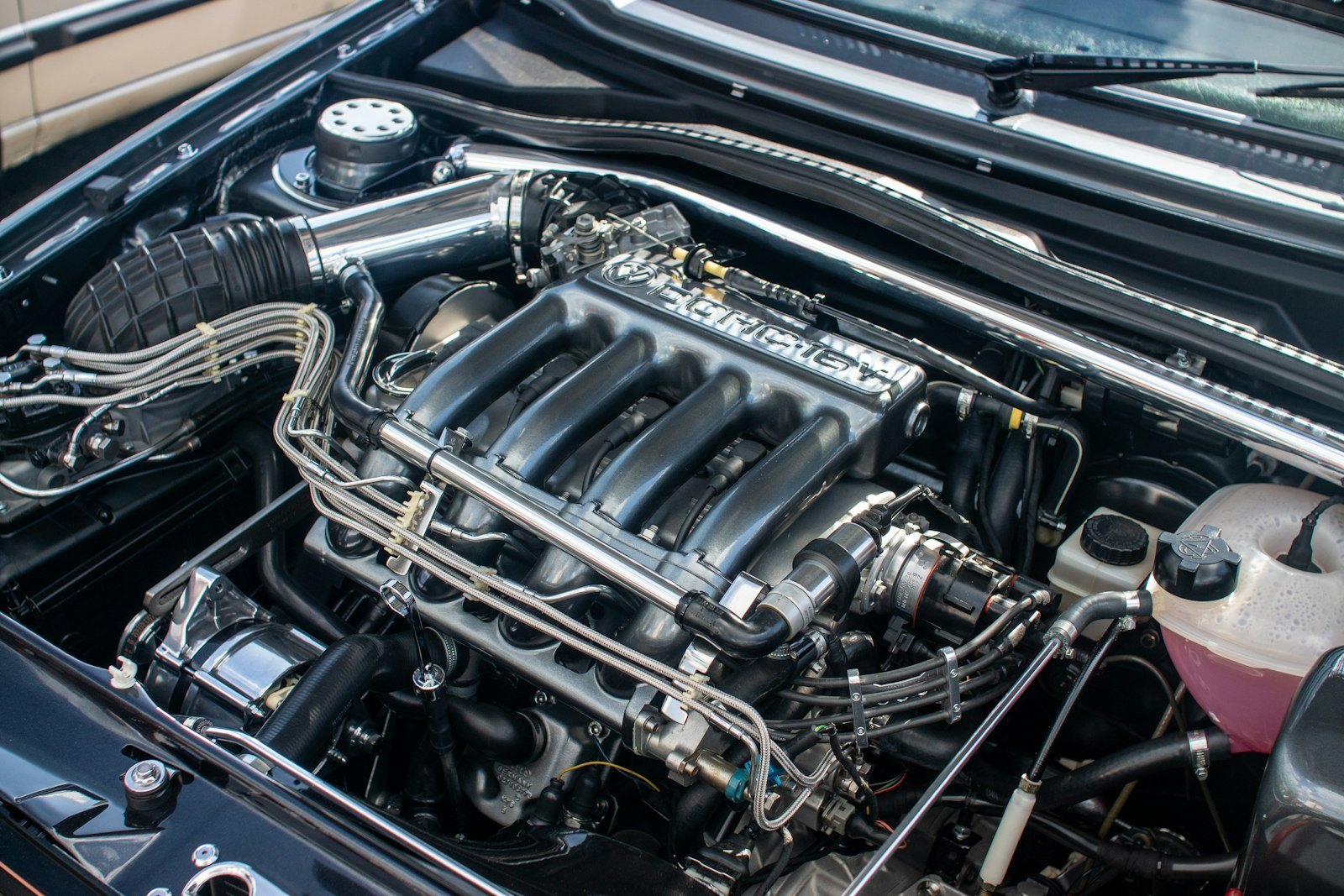
Step 4: Check the basics once it has cooled
When the engine is cool to the touch, a few simple checks can tell you a lot.
Coolant level
Look at the coolant reservoir, the translucent plastic tank beside the radiator. It has minimum and maximum marks. If it is empty or very low, you have probably lost coolant. Never open the radiator cap on a hot engine. On a cool engine, open it slowly with a cloth.
Visible leaks
Look under the car and around the hoses for wet patches, drips or crusty residue. A split hose, a leaking radiator or a loose clamp is a common culprit.
Belts
Check that the serpentine belt is in place. A broken belt can stop the water pump from turning.
Fans
With the engine running briefly, the cooling fan should come on when it warms. If it does not spin, the fan or its relay may have failed. Do not run the engine more than a minute or two to test it.
Oil
Check the dipstick. Milky, frothy oil can indicate coolant mixing with oil, which is a sign of a serious internal problem such as a blown head gasket. If you see this, do not drive the car.
Step 5: Decide whether to top up and continue
If you found a low coolant level and no obvious leak, you may be able to add coolant or, in an emergency, plain water, and continue gently to a shop. Do this only with a cool engine. Use a 50/50 coolant mix if you have it, and add water only as a temporary fix. In winter, plain water can freeze, so a proper mix is important.
If the car overheats again soon after, if coolant pours out, if you see steam again or if the oil looks milky, stop. Further driving risks severe engine damage. A tow is far cheaper than a new engine.
When to call for a tow
Phone a tow truck if any of these apply.
- Coolant is visibly pouring out of the car.
- Steam or smoke continues after shutting the engine down.
- The gauge returns to red after topping up.
- The oil is milky, or there is white smoke from the exhaust.
- There is a loud knock, or the engine runs rough.
- You have no coolant or water to add, or you are in an unsafe place.
- The belt is broken or the water pump has failed.
- You are unsure. Don’t risk the engine.
When you call (780) 604-4060, tell us what happened, what you drive and where you want the car to go. Overheated vehicles with possible internal damage are best carried on a flatbed, so the engine and drivetrain stay still. Our guide on flatbed vs hook and chain vs wheel lift explains why.
Common causes of overheating
Knowing why cars overheat helps you prevent it. Typical causes include the following.
- Low coolant from a leak or neglected top-ups.
- A failed thermostat stuck closed so coolant cannot circulate.
- A faulty water pump.
- A blocked radiator, either internally (deposits) or externally (debris, snow, mud).
- A cooling fan failure.
- A damaged hose or loose clamp.
- A broken belt.
- A blown head gasket.
- A faulty radiator cap that cannot hold pressure.
- Old or wrong coolant that has lost its protective properties.
Winter overheating is real
It may sound surprising, but engines overheat in Edmonton winters too. Reasons include thick snow or ice blocking the radiator, a thermostat that fails, low coolant from leaks that worsen in cold, and cheap or diluted antifreeze. Engines run hard in cold air, and a car idling in a snowbank can overheat when exhaust and airflow are restricted. If you are stuck, see our guide to a car stuck in a snowbank.
Mistakes that make it worse
- Opening the radiator cap on a hot engine. It can spray scalding coolant.
- Pouring cold water on a hot engine. It can crack metal.
- Driving “just a bit further.” The damage often happens in those last few kilometres.
- Ignoring the warning light. It is there for a reason.
- Topping up with the wrong fluid. Use coolant or water, never oil or other liquids.
- Skipping the repair. A temporary fix does not solve a leak.
How to prevent overheating
- Check coolant regularly, particularly before winter and before long trips.
- Replace coolant according to your manual’s schedule.
- Have hoses and belts inspected at every service.
- Keep the radiator clear of snow, ice and debris.
- Watch the gauge and act early.
- Fix small leaks before they become big ones.
- Keep a bottle of coolant mix in the trunk in cold months.
- Save our number in your phone: (780) 604-4060.
Cooling system problems often go hand in hand with weak batteries and winter starting issues. Read our guides on cold weather battery care and cold weather starting trouble.
What will the tow cost, and where will the car go?
The price depends on distance, the type of vehicle and the time of day, as explained in our article on how much towing costs in Edmonton. Choose where the car goes: a trusted mechanic, a dealership or your driveway. If it is after hours, many people choose to have the car taken home and booked in for the morning. We accept cash, credit and debit, and give you the expected total before the truck is sent.
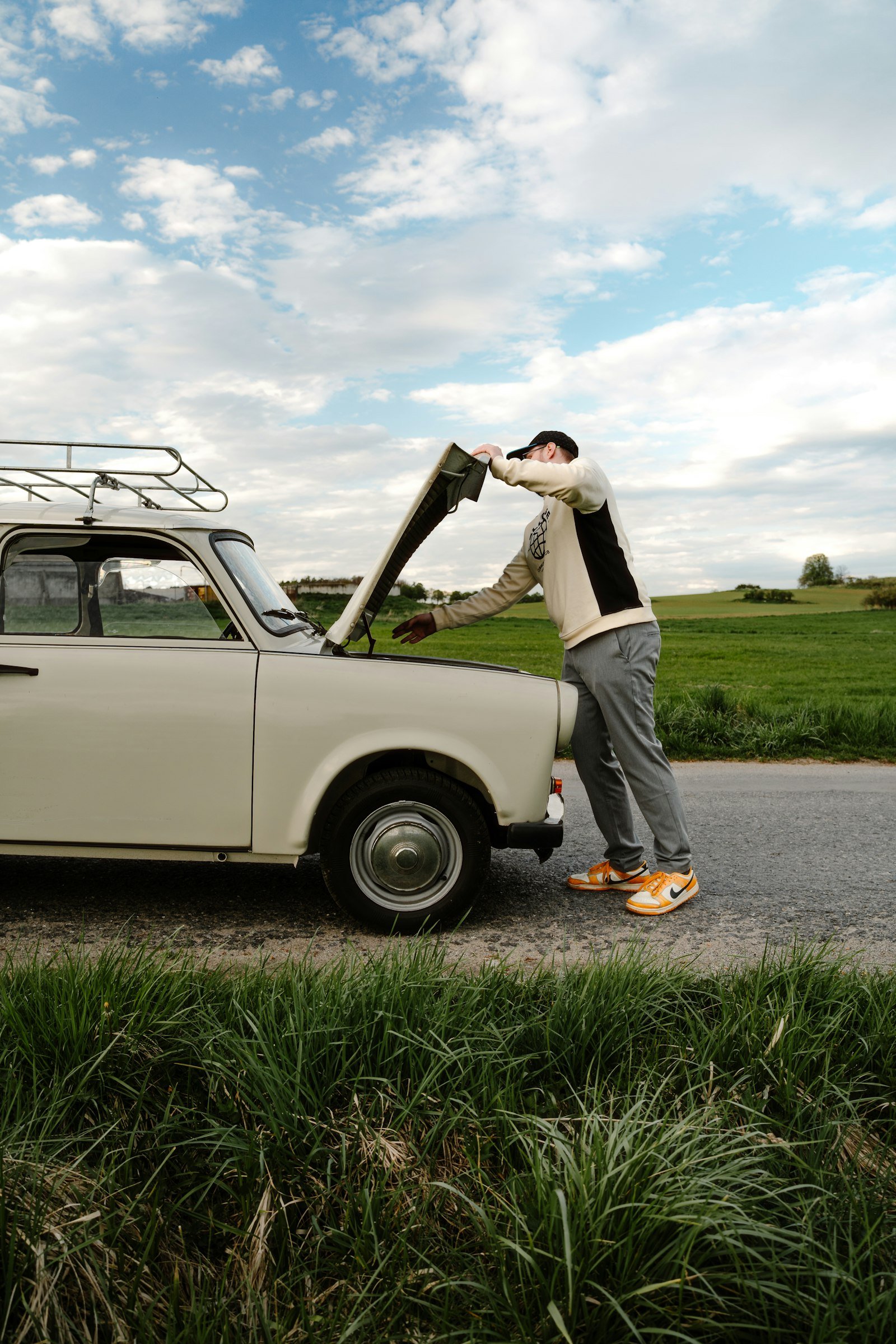
What the mechanic will probably check
When an overheated car reaches the shop, the usual checks run in a predictable order. The mechanic pressure-tests the cooling system to find leaks, inspects the radiator, hoses and water pump, tests the thermostat and fan operation, looks at the radiator cap, and tests the oil and coolant for signs of a head gasket problem. Knowing this helps you understand the estimate, and it is a good reason to tell the shop exactly what happened, for example how long the car ran hot and whether you topped up the coolant.
A note on safety with passengers and pets
If you have children or pets in the car when it overheats, move everyone away from the front of the vehicle while steam is visible. Keep them out of traffic, and do not let anyone lean on the hood or touch the radiator area. Hot coolant burns badly, and the pressure inside the system can throw it a surprising distance. In summer, remember that a stopped car heats up quickly, so find shade for everyone while you wait. In winter, keep them dressed warmly, since the heater will not help once the engine is off.
Keep records of repairs
After a cooling system repair, keep the invoice and note the date, the kilometres and what was replaced. If the problem returns, or if you sell the car later, those records show what was done and can matter for any warranty on the repair.
Frequently asked questions
Can I drive my car if it is overheating?
Not for long. Pull over safely, shut the engine off and let it cool. Driving an overheating engine risks serious damage.
How long should I wait before opening the hood?
If you see steam, wait several minutes before lifting it. Wait around 30 minutes before checking coolant or touching any parts.
Can I add water instead of coolant?
In an emergency, yes, to get to a shop. In winter, plain water can freeze, so have the system flushed and refilled with the proper mix soon after.
Why is my car overheating but the coolant is full?
Possible causes include a failed thermostat, water pump, fan, a blocked radiator or air in the system. A mechanic can diagnose it.
Is it safe to tow an overheated car?
Yes, and it is the right choice if you suspect internal damage. A flatbed keeps the engine and drivetrain still.
Do you help with overheated cars at night?
Yes. We work 24 hours, with a typical arrival window of 30 to 45 minutes.
Car overheating? We can get you moving
Phone Maxim Towing & Recovery on (780) 604-4060, any hour, and we will send the right truck and carry your car to your mechanic or home. You can also use our contact page or read about our roadside assistance.
{“@context”:”https://schema.org”,”@type”:”FAQPage”,”mainEntity”:[{“@type”:”Question”,”name”:”Can I drive my car if it is overheating?”,”acceptedAnswer”:{“@type”:”Answer”,”text”:”Not for long. Pull over safely, shut the engine off and let it cool. Driving an overheating engine risks serious damage.”}},{“@type”:”Question”,”name”:”How long should I wait before opening the hood?”,”acceptedAnswer”:{“@type”:”Answer”,”text”:”If you see steam, wait several minutes before lifting it. Wait around 30 minutes before checking coolant or touching any parts.”}},{“@type”:”Question”,”name”:”Can I add water instead of coolant?”,”acceptedAnswer”:{“@type”:”Answer”,”text”:”In an emergency, yes, to get to a shop. In winter, plain water can freeze, so have the system refilled with the proper mix soon after.”}},{“@type”:”Question”,”name”:”Why is my car overheating but the coolant is full?”,”acceptedAnswer”:{“@type”:”Answer”,”text”:”Possible causes include a failed thermostat, water pump, fan, a blocked radiator or air in the system.”}},{“@type”:”Question”,”name”:”Is it safe to tow an overheated car?”,”acceptedAnswer”:{“@type”:”Answer”,”text”:”Yes, and it is the right choice if you suspect internal damage. A flatbed keeps the engine and drivetrain still.”}},{“@type”:”Question”,”name”:”Do you help with overheated cars at night?”,”acceptedAnswer”:{“@type”:”Answer”,”text”:”Yes. We work 24 hours, with a typical arrival window of 30 to 45 minutes.”}}]}