
A winter emergency kit is one of those things nobody wants to think about until the day they are very glad they did. On an Edmonton highway at -30 °C, with the wind picking up and your engine silent, the difference between a miserable wait and a dangerous one often comes down to what is in your trunk. This guide to a winter car emergency kit for Edmonton lists what to pack, why each item matters, how to store it so it works when you need it and how to use it if you are stranded.
We are Maxim Towing & Recovery in north Edmonton. We reach stranded drivers every winter, and we can tell you quickly who was prepared and who was not. The prepared drivers are almost always calmer, warmer and safer. Building a kit costs little, takes an afternoon and might one day make a real difference.
Why you need a kit, even in the city
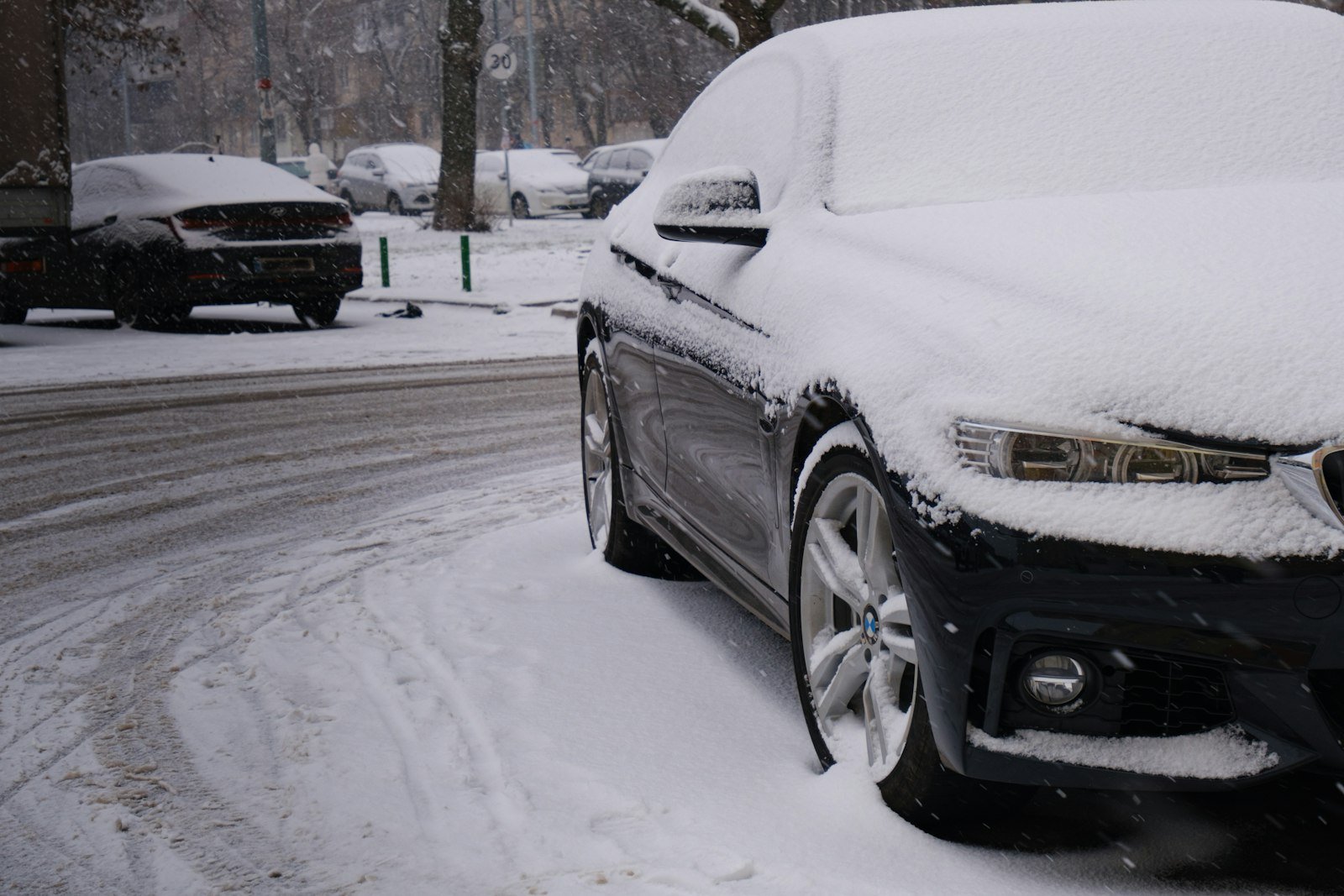
People tend to think emergency kits are for rural roads. But breakdowns happen in the city too, and a cold, dark parking lot is not much more welcoming than a country road. Waiting times lengthen during storms and cold snaps because everyone needs help at once. Our article on how long a tow truck takes in Edmonton explains why. A kit lets you stay warm and safe while you wait, and in some cases it lets you solve the problem yourself.
The essentials, by purpose
Warmth
- Warm blanket or sleeping bag. A wool blanket or a sleeping bag rated for cold is ideal. An emergency foil blanket is a light backup.
- Extra hat, gloves or mittens, scarf and wool socks. Keep a spare set even if you wear your own.
- Winter boots. If you ever need to leave the car, you want proper footwear.
- Hand and foot warmers. Small chemical packs are cheap and light.
- A candle in a deep tin and matches or a lighter. Some people carry these for a tiny heat source, but treat with care and ventilation. Never leave a flame unattended.
Traction and digging
- Small folding shovel. Essential for clearing snow around the wheels. See our guide on a car stuck in a snowbank.
- Bag of sand, grit or non-clumping kitty litter. Spread in front of the drive wheels for grip. It also adds weight over the rear axle.
- Traction mats. Fold flat and can be placed under the tires.
- Ice scraper and snow brush. Clear windows, mirrors, lights and the roof.
Power and starting
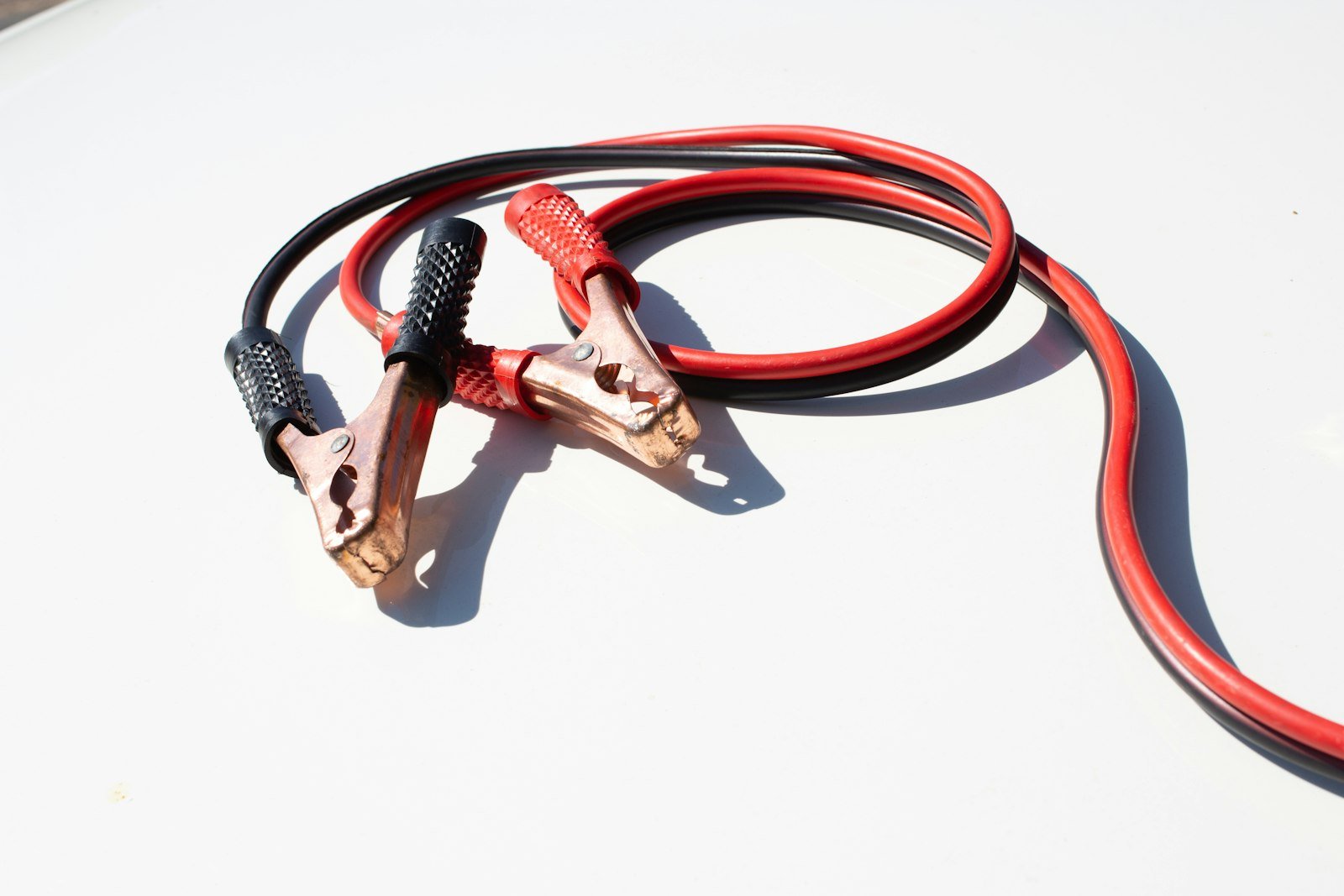
- Jumper cables or a portable jump starter. A modern jump starter lets you boost your battery without another car. Read our guide on how to boost a car battery.
- Phone charger and a power bank. Keep the power bank charged, and warm, since cold drains batteries.
- Flashlight or headlamp with spare batteries. A headlamp frees both hands.
Visibility and signalling
- Reflective triangles or flares. Place behind the car at a safe distance when you can do it safely.
- Reflective vest. Makes you visible beside a road.
- Whistle. Useful if you need to attract attention.
- Bright cloth or a high-visibility sign to tie to the antenna or mirror.
Food and water
- Water. Keep a few bottles, and leave some room in them for freezing and expansion.
- High-energy snacks. Nuts, granola bars, dried fruit and chocolate keep well and give energy and warmth.
- A thermos you can fill with a warm drink before a long trip.
First aid and safety
- First-aid kit. Bandages, gauze, antiseptic, medical tape, pain relievers and any personal medication.
- Multi-tool or a basic toolkit. Pliers, screwdrivers and an adjustable wrench.
- Duct tape and zip ties. Fix a loose part or secure a flapping bumper cover.
- Work gloves. Protect your hands from cold metal and dirt.
- Fire extinguisher. A small car-rated extinguisher is a sensible addition.
Vehicle fluids and supplies
- Winter washer fluid. A spare jug saves you when salt spray blinds the windshield.
- Extra coolant mix if you have a vehicle prone to leaks.
- A tire pressure gauge and a small compressor. Cold drops pressure.
- Spare tire and tools. Check the spare pressure at the start of winter. For a flat on the road, see our flat tire service.
- A small fuel can, empty, so help can deliver fuel if needed. See fuel delivery.
Documents and communication
- Copies of your insurance and registration.
- A written list of emergency numbers, in case your phone dies.
- The towing company number saved in your phone and written down: (780) 604-4060.
- A pen and paper for notes.
How to store your kit
- Use a sturdy bag or bin. A duffel or a plastic tub keeps everything together.
- Keep it reachable. A kit buried under luggage is useless. Put it where you can reach it quickly.
- Secure heavy items. A loose shovel can become a projectile in a collision.
- Protect electronics from the cold. Keep the power bank and the jump starter somewhere less exposed when possible, and check their charge monthly.
- Check the kit every autumn. Replace expired food and medication, swap batteries and top up supplies.
- Keep warm clothes in the cabin, not the trunk, if your trunk could become inaccessible.
If you are stranded: a short plan
- Stay with the vehicle unless it is unsafe. A car is easier to find than a person on foot.
- Turn on hazard lights and make the car visible.
- Call for help and give your exact location and a description of the problem.
- Keep warm. Put on extra layers and use your blanket.
- Run the engine sparingly. Ten minutes an hour is common advice for conserving fuel while keeping the cabin warm, but follow your own judgement and conditions.
- Keep the tailpipe clear of snow and crack a window for fresh air.
- Move around gently to keep your circulation going.
- Conserve your phone battery. Use short calls and put it in low-power mode.
- Stay awake and alert to traffic.
See our guide on breakdowns on the Anthony Henday for extra safety tips on high-speed roads.
Carbon monoxide: a quiet danger
It is worth repeating. A tailpipe blocked by snow can push exhaust gases into the cabin. Carbon monoxide has no smell and builds up quietly. If you run the engine, make sure the tailpipe is clear, keep a window slightly open and shut the engine off if you feel drowsy or have a headache. Do not run the engine in a closed garage.
Extras that are worth the room
- A compact camping stove, only if you are trained to use it safely, and never inside the car.
- A tow strap rated for your vehicle. Use only with proper recovery points, and see our caution in the accident recovery section.
- A paper map of the region for long trips.
- Chains or traction devices if you travel in mountain areas.
- A pair of safety glasses.
- A tarp or a plastic sheet for lying on the ground.
- Pet supplies if your dog travels with you.
- Children’s items: blankets, snacks, games.
Prevention is better than a kit
A kit helps in an emergency, but the best emergencies are the ones that never happen. Keep your fuel above a quarter tank. Have your battery tested before winter. Use winter tires. Check your fluids. Our detailed winter car checklist covers all of these, and our tips on cold weather car battery care and frozen car batteries go into more depth. For general roadside knowledge, see our guide to roadside assistance type services and our roadside assistance page.
A checklist you can screenshot
- Blanket or sleeping bag
- Hat, gloves, scarf, boots, extra socks
- Shovel, sand or kitty litter, ice scraper
- Jumper cables or jump starter
- Flashlight or headlamp, spare batteries
- Power bank and charger
- Reflective triangles and vest
- Water and snacks
- First-aid kit
- Multi-tool, duct tape, zip ties
- Washer fluid
- Copies of documents and emergency numbers
Building a kit on a budget
You do not need to buy everything at once. A sensible way to build a kit is in three layers, starting with what matters most.
Layer one: the basics you can pack this week
- A warm blanket and a spare hat and gloves
- An ice scraper and snow brush
- A small shovel
- A flashlight and a phone charger
- Bottled water and a few snacks
Layer two: add over the next month
- Jumper cables or a portable jump starter
- A bag of sand or kitty litter
- Reflective triangles and a vest
- A basic first-aid kit
- Winter washer fluid
Layer three: the extras that make a long wait easier
- Traction mats and a multi-tool
- Hand and foot warmers
- A power bank kept in the cabin
- A written list of emergency numbers
- Winter boots kept in the car
Packing for children, pets and older passengers
If you regularly drive with others, adjust the kit to match. Children need extra blankets, snacks, a change of mittens and something to keep them calm. Pets need water, a blanket and a leash. Older passengers may need medication, a warm layer and a seat that is easy to get in and out of. Think about who is usually in the car and ask what they would need if you were stuck for two hours in the dark.
Keep the car itself ready
A kit works best when the vehicle is in decent shape. Keep the fuel tank above a quarter, check the battery before winter and make sure your tires are suited to the season. Save our number, (780) 604-4060, so help is one tap away.
Practice before you need it
Take ten minutes on a mild weekend to open the kit, find every item and try the jump starter or the shovel. Make sure the flashlight works, the power bank holds a charge and the blanket is clean and dry. Show anyone else who drives the car where the kit lives and what is in it. A kit you have already handled is far easier to use with cold fingers in the dark, and the confidence it gives you is half the value.
Replace and refresh through the season
Items in a kit age. Batteries in flashlights weaken, snacks expire, water bottles crack if frozen solid, and first-aid supplies run out. Set a reminder on your phone for the start of November and again in January to open the kit, check each item and top it up. If you use something, replace it straight away so the kit is never half empty when you need it. It is also worth rethinking the kit after any scare, since a close call usually shows what was missing.
Why a kit is not a substitute for help
A good kit makes a wait safer, but it does not replace calling for help. If you are stuck on a busy road, in extreme cold or with vulnerable passengers, call early and give your location clearly. Our team is available at any hour on (780) 604-4060, and we will tell you honestly how long the wait is likely to be so you can plan your warmth and your fuel accordingly.
Frequently asked questions
What should be in a winter car emergency kit in Edmonton?
Warm layers and a blanket, a shovel, sand or kitty litter, jumper cables or a jump starter, a flashlight, a phone charger, food and water, reflective gear and a first-aid kit.
How much does it cost to build a kit?
It depends on what you already own. Many items are inexpensive or can come from around the house, and you can build it up over time.
Where should I keep it?
In a sturdy bag or bin you can reach easily. Keep warm clothes in the cabin if you can.
Is it safe to run the engine for heat?
Yes, in short stretches, with the tailpipe clear of snow and a window slightly open. Watch for signs of carbon monoxide.
Should I leave the car and walk for help?
Usually no. Stay with the vehicle unless it is unsafe or help is clearly near.
How often should I check the kit?
At the start of every winter, and again midway. Replace food, batteries and anything damaged.
Stranded anyway? Call us
If you need a boost, a tire change, fuel or a tow, phone Maxim Towing & Recovery on (780) 604-4060, any hour. We quote a typical arrival window of 30 to 45 minutes and tell you honestly if the weather will change it. You can also use our contact page.
{“@context”:”https://schema.org”,”@type”:”FAQPage”,”mainEntity”:[{“@type”:”Question”,”name”:”What should be in a winter car emergency kit in Edmonton?”,”acceptedAnswer”:{“@type”:”Answer”,”text”:”Warm layers and a blanket, a shovel, sand or kitty litter, jumper cables or a jump starter, a flashlight, a phone charger, food and water, reflective gear and a first-aid kit.”}},{“@type”:”Question”,”name”:”How much does it cost to build a kit?”,”acceptedAnswer”:{“@type”:”Answer”,”text”:”It depends on what you already own. Many items are inexpensive and you can build it up over time.”}},{“@type”:”Question”,”name”:”Where should I keep it?”,”acceptedAnswer”:{“@type”:”Answer”,”text”:”In a sturdy bag or bin you can reach easily. Keep warm clothes in the cabin if you can.”}},{“@type”:”Question”,”name”:”Is it safe to run the engine for heat?”,”acceptedAnswer”:{“@type”:”Answer”,”text”:”Yes, in short stretches, with the tailpipe clear of snow and a window slightly open.”}},{“@type”:”Question”,”name”:”Should I leave the car and walk for help?”,”acceptedAnswer”:{“@type”:”Answer”,”text”:”Usually no. Stay with the vehicle unless it is unsafe or help is clearly near.”}},{“@type”:”Question”,”name”:”How often should I check the kit?”,”acceptedAnswer”:{“@type”:”Answer”,”text”:”At the start of every winter, and again midway.”}}]}
2 Responses