
The holidays mean long drives: to family in Calgary, a cabin in the Rockies, a ski hill in B.C. or a visit to the north. They also mean the worst combination for a breakdown: cold weather, short days, heavy traffic and long distances between help. A little preparation before you leave makes a huge difference. This guide gives you a practical pre-trip checklist, a survival kit to pack, a plan for what to do if the car quits on a cold highway and some tips for staying safe and calm. It is written for Alberta winter conditions, but most of it applies to any long trip.
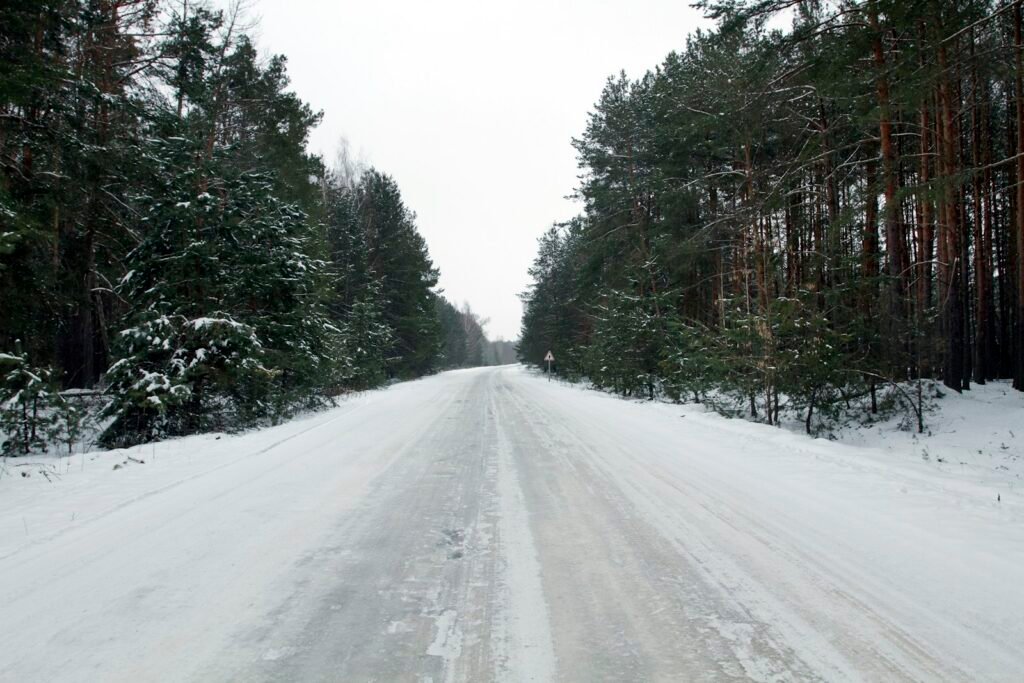
Plan the trip before the car
The best breakdown preparation starts with the route and the timing.
- Check the forecast and road conditions for your whole route, not just your start point. Conditions can change quickly between Edmonton and the mountains or the border. Check the provincial road report before you go and at stops.
- Be willing to delay. A storm warning is a reason to wait a day. No holiday dinner is worth a collision.
- Leave early and plan your stops. Daylight is short in December, and driving tired is dangerous. Plan breaks every couple of hours.
- Share your plan. Tell someone your route, your expected arrival time and when you will check in. If you are late, they will know where to start looking.
- Know where services are. Gas stations, towns and rest areas can be far apart on some highways. Note where they are.
- Have a backup plan. Know where you could stay if a road closes.
The pre-trip car check
Give the car an honest check a few days before you leave, so there is time to fix problems. If you are not sure about any item, ask a shop to look it over.
Battery
Cold is hardest on batteries. If yours is more than a few years old, have it load-tested. A weak battery is the most common cause of winter breakdowns. Check that the terminals are clean and tight. See our cold weather car battery tips.
Tires
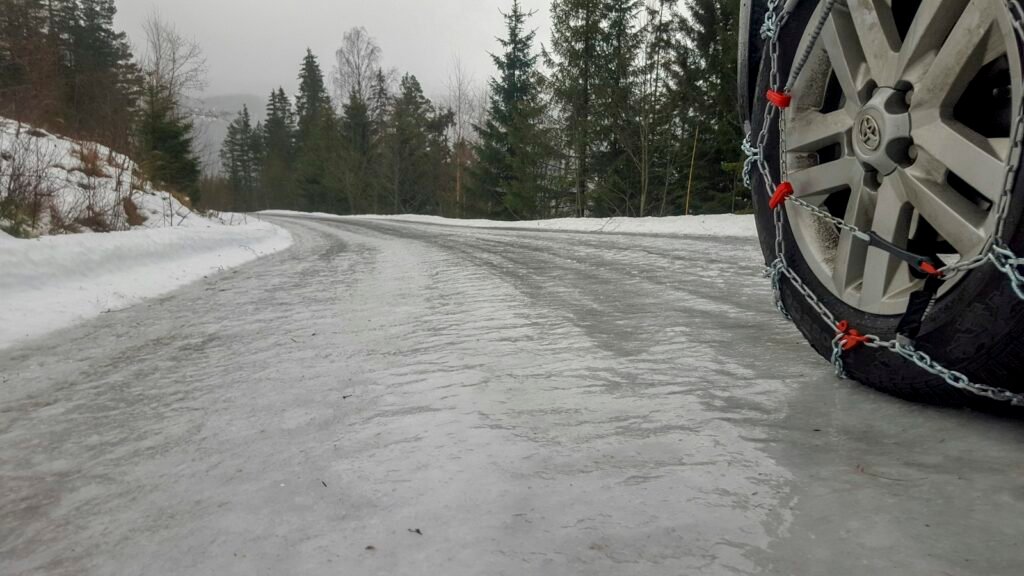
Use proper winter tires for Alberta highways. Check the tread, look for cuts and bulges and set the pressure to the manufacturer’s recommendation, since cold air lowers it. Check the spare, the jack and the wheel wrench. If you do not know how to change a tire, read our guide to changing a flat tire safely, and practise once.
Fluids
Check the oil, coolant and brake fluid. Use winter-rated washer fluid and top it up, because you will use plenty on salty highways. Make sure your coolant mix protects against deep cold.
Lights and wipers
Test the headlights, tail lights, brake lights, turn signals and hazards. Replace worn wipers. Clear the lenses of dirt and ice.
Brakes and belts
If the brakes feel soft, noisy or uneven, or a belt looks cracked, get it checked before the trip. A shop can inspect these quickly.
Fuel
Start with a full tank, and top up at a quarter tank on the way. In winter, a fuller tank also gives you a margin if you are stranded and need to run the engine for warmth. Our guide to what to do when you run out of gas explains why.
The winter survival kit
If you are stranded on a cold highway, what is in your car can matter a great deal. Pack these items and keep them where you can reach them, not buried under luggage.
- Warm clothing and blankets for every passenger: coats, hats, mittens, boots and a sleeping bag or heavy blanket.
- Food and water. High-energy snacks and bottled water, which will not freeze solid if kept in the cabin.
- A flashlight or headlamp with spare batteries.
- A phone charger and a fully charged power bank.
- Jumper cables or a portable booster.
- A small shovel and an ice scraper with brush.
- Traction aids: sand, kitty litter or traction mats.
- Reflective triangles or flares.
- A first-aid kit and any medication you need.
- A tow strap, if you know how to use it safely.
- Matches or a lighter and a candle, in a tin, as an emergency heat source, used with great care and good ventilation.
- Pet supplies, if you are travelling with animals.
Our guide to a winter car emergency kit for Edmonton has a longer list and explains how to pack it.
If the car breaks down on the highway
Despite your best preparation, it might happen. Here is how to handle it.
- Hazard lights on, straight away.
- Move over as far as you safely can. A wide shoulder or an exit is best. Get as far from traffic as possible.
- Stay in the car, buckled in, if you are close to fast traffic. On a busy highway, it is the safest place for most people. If there is a fire risk or you cannot stay safely, move well away behind a barrier.
- Call for help. Give your location: highway, direction, nearest exit, kilometre marker or landmark. If you have no signal, wait for a passing patrol or another driver to help.
- Stay visible. Keep the hazards on. If it is safe and you have them, put out reflective triangles well behind the car.
- Keep warm. Use blankets and clothing. Run the engine only briefly, and only if the exhaust pipe is clear of snow.
- Keep everyone together and do not leave the car to walk for help unless you are sure of safety and distance. Walking in a storm can be more dangerous than waiting.
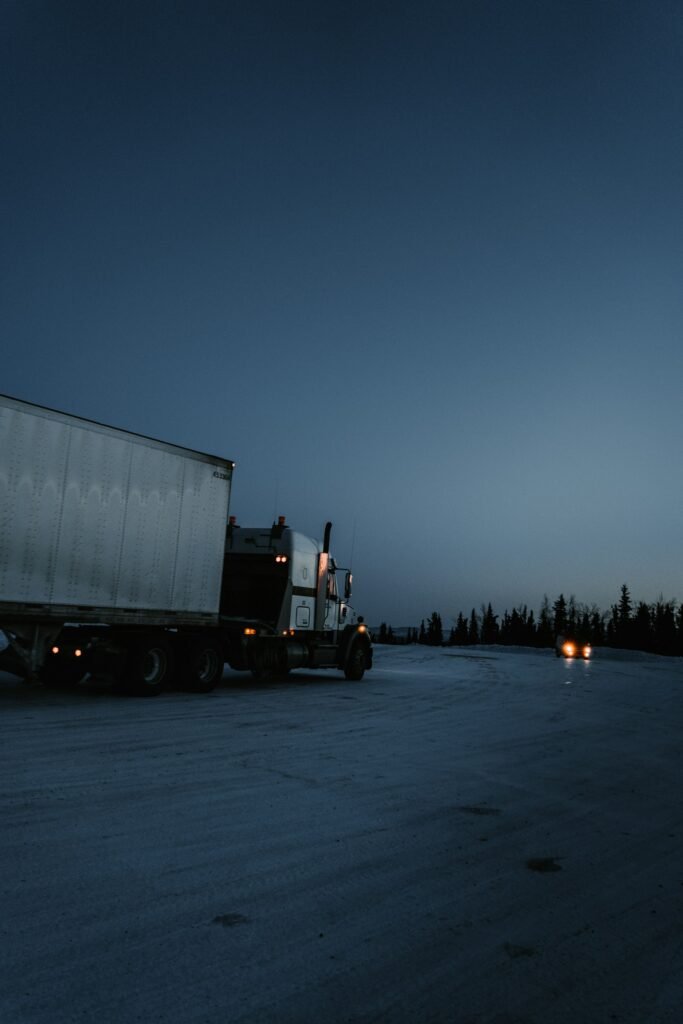
Winter dangers when you are stranded
Carbon monoxide. If you run the engine, make sure the exhaust pipe is not blocked by snow. A blocked pipe can fill the car with deadly gas. Crack a window slightly and clear the pipe regularly.
Hypothermia and frostbite. Keep dry and covered. Move your hands and feet. Share body warmth. Do not drink alcohol.
Dehydration and fatigue. Drink water and rest in turns.
Being hit by a passing vehicle. This is the biggest risk if you stand near the road. Stay buckled in or get behind a barrier.
Towing and roadside help away from home
Outside the city, help may take longer. Distances are bigger, roads can be bad and fewer trucks are around. If you are within our area, we dispatch from McConachie Blvd NW and typically quote a 30 to 45 minute arrival window, though winter conditions and call volume can stretch it. If you are further out, call a local company or your roadside program, and ask for an honest estimate. If you have a membership with an auto club or a plan through your insurance, check what it covers before you leave, and keep the number handy.
If the car needs a tow, tell the dispatcher what you drive, since all-wheel-drive and electric vehicles should usually be carried on a flatbed. Ask where it will be taken, and what it will cost. A tow to the nearest town may be the sensible choice, and you can arrange the repair there or tow back later.
Small habits that prevent breakdowns
- Do not push a car you know is failing. A strange noise, smell or warning light is a message.
- Keep your fuel above a quarter tank.
- Do not idle for long in deep cold with a weak battery.
- Stop and rest when you are tired.
- Keep a safe following distance and slow down on ice.
- Charge your phone at every stop.
With kids, pets and elders
Travelling with children, pets or older relatives adds a layer. Pack extra warm clothing, snacks, any medications and entertainment for the wait. Keep car seats installed correctly, and remember that a child in a bulky snowsuit should not be strapped into a car seat wearing it, as it can compromise the harness. Pets need water and a secure carrier. Make sure everyone knows the plan if something goes wrong, and keep calm so they do too.
Call Maxim Towing
If you break down in Edmonton or the surrounding area during your trip, call us any hour at (780) 604-4060. We can boost a battery, change a tire, deliver fuel, unlock a car or tow it. We accept cash, credit and debit. See our roadside assistance page, or the emergency roadside help page for urgent situations. And save our number before you go, so it is one tap away.
Pack the car so you can reach what matters
On a holiday trip, the trunk fills up fast with luggage, gifts and food, and the survival kit ends up buried at the bottom. That defeats the purpose. Pack your emergency items last, so they sit on top or near the door, and keep warm clothing and blankets in the cabin rather than the trunk. Keep your phone, charger and a flashlight within reach of the driver. Secure heavy items so they cannot shift in braking, and keep the rear window clear so you can see. If you carry a roof box or bikes, check the load and the straps at every stop, because wind and vibration loosen them over a long drive.
Driving habits for a long winter day
Many breakdowns and collisions on holiday weekends come from habits more than mechanical failure. Start the day rested. Eat properly and drink water, since fatigue and dehydration slow reactions. Take a break every couple of hours, even if you feel fine, and swap drivers if you can. Keep your speed suited to the conditions rather than the limit, and leave a much bigger gap than you would in summer. On a long highway, watch for patches of ice on bridges and in shade, and ease off before them rather than braking on them. Keep the headlights on, brush snow from the roof before you leave so it does not slide onto the windshield, and clean the lights and windows whenever you stop. If conditions turn bad, be ready to exit and wait it out. Most storms pass.
Phones, signal and staying in touch
Cell coverage is good along the main highways, but it can drop in valleys, foothills and rural stretches. Before you leave, download offline maps, save our number and any other emergency contacts, and make sure your phone is fully charged. In the car, keep a charger cable or a power bank within reach, and keep the phone warm, because cold drains batteries quickly. If you lose signal, stay with the vehicle and wait for a passing vehicle, patrol or worker. Do not leave a safe spot to hunt for a signal unless you are certain it is safe and near. Let your contact know your plan and when to expect word from you, so they raise the alarm if you are late.
Check what your insurance and memberships cover
Before the trip, take ten minutes to see what help you already have. Some car insurance policies, credit cards and auto club memberships include roadside assistance, with limits on distance, number of calls and services. Find out what is covered, how to call, and what proof you need. Keep the number and policy details in the glovebox and in your phone. If you use a company outside your plan, ask for an itemized invoice so you can claim it afterwards if allowed. A few minutes of reading can save you a good deal of money and stress.
A final five-minute check at the driveway
Just before you pull out, run through a short routine. Walk around the car and look at the tires. Clear all the snow and ice from the windows, mirrors, lights and roof. Check that the washer fluid works and the wipers are not frozen to the glass. Make sure the hazards, headlights and brake lights are all working, and confirm that the fuel gauge shows what you expect. Check that your phone is charged and that your emergency kit is within reach. Tell your contact you are leaving, and set your navigation. It takes only a few minutes, and it catches the small problems that turn into long delays. Then relax, drive carefully and enjoy the trip. Most holiday drives pass without trouble, and with a little preparation, you are ready for the ones that do not.
Frequently asked questions
What should I pack for a winter road trip in Alberta?
Warm clothing and blankets, food and water, a flashlight, a charger and power bank, jumper cables, a shovel, traction aids and a first-aid kit.
Should I run the engine if I am stranded?
Only briefly and only if the exhaust pipe is clear of snow, to avoid carbon monoxide poisoning. Crack a window slightly.
Should I walk for help if my car breaks down?
Usually no. Staying with the vehicle is safer unless you are sure of a short, safe route.
How do I prepare my car for a long winter trip?
Test the battery, check tires and spare, top up winter washer fluid and coolant, check lights and wipers, and start with a full tank.
Can you help if I break down near Edmonton on the way out?
Yes. Call (780) 604-4060 with your location and we will tell you what to expect.