
Nobody plans for a collision. One moment you are driving to work or home from the grocery store, and the next you are sitting in a car that is not moving, with your heart pounding and a dozen things to think about. If you are reading this because you want to know what to do after a car accident in Edmonton, take a slow breath first. The order of what you do matters more than how fast you do it, and a clear checklist makes a stressful hour much easier.
This guide is written by the team at Maxim Towing & Recovery, who attend collision scenes and recoveries around the city. We are tow operators, not lawyers or insurance advisers, so we stick to the practical side: staying safe, collecting what you need, and arranging a tow so your vehicle ends up where you want it. For legal and insurance questions, always speak to your insurer, and check official sources such as alberta.ca for the current rules.
Step 1: Check yourself and everyone else
Before you think about the vehicle, think about people. Ask yourself and your passengers whether anyone is hurt. Pain in the neck, chest, back or head, dizziness, confusion or numbness are all reasons to call 911 straight away, even if the person says it is “probably nothing”. Adrenaline hides injuries. If someone is badly hurt, do not move them unless there is danger such as fire.
Check the other vehicles too if you can do it safely. Call 911 whenever there is an injury, a fire risk, a blocked road or any sign of dangerous behaviour by another driver.
Step 2: Make the scene safer
If the vehicles can be driven and the collision is minor, move them out of live traffic to the side of the road or a nearby parking lot. If a vehicle cannot be moved or someone may be hurt, leave it where it is, switch on the hazard lights and stay in a safe place.
- Turn off the engine to reduce fire risk, especially if you smell fuel.
- Use hazards at all times, and flares or reflective triangles if you carry them.
- Stay out of the traffic lanes. Stand well off the road or behind a barrier when you can.
- In winter, keep warm. Cold shock and slippery ground can add risk after a crash.
Step 3: Call the right people
Call 911 for injuries, hazards or a blocked road. For other situations, the police and your insurer will each have a role. The rules about when a collision must be reported to police depend on the damage and the circumstances, and the threshold was raised in January 2024, so check alberta.ca for the current rules rather than relying on an old article. If you are unsure, it is safest to call and ask.
Then call your insurance company or the claims line printed on your card. Many insurers can start a claim over the phone and advise on towing and repair shops.
Step 4: Collect information
While waiting, gather what you can. Stay polite and factual, and do not argue about who was at fault. Fault is decided later by the insurers and, if necessary, the authorities.
- Names, phone numbers and addresses of the other drivers.
- Driver’s licence numbers, plate numbers and insurance policy details.
- Vehicle makes, models and colours.
- Names and phone numbers of any witnesses.
- Location, date, time, weather and road conditions.
- The badge number or report number of any attending officer.
Do not sign anything at the scene other than what the police provide. Do not admit fault, and do not accept cash to settle. Let the insurers handle it.
Step 5: Take photos and notes
Photos are one of the most useful things you can collect. Use your phone and take more than you think you need.
- Wide shots showing the positions of all vehicles and the road layout.
- Close-ups of damage on every vehicle, from several angles.
- Licence plates, road signs, traffic lights and skid marks.
- Debris, fluid leaks and anything on the ground.
- Any injuries, if you are comfortable doing so.
Write down what happened while it is fresh. Short notes about the direction of travel, speed and what you saw are far better than memory a week later.
Step 6: Decide whether the vehicle can be driven
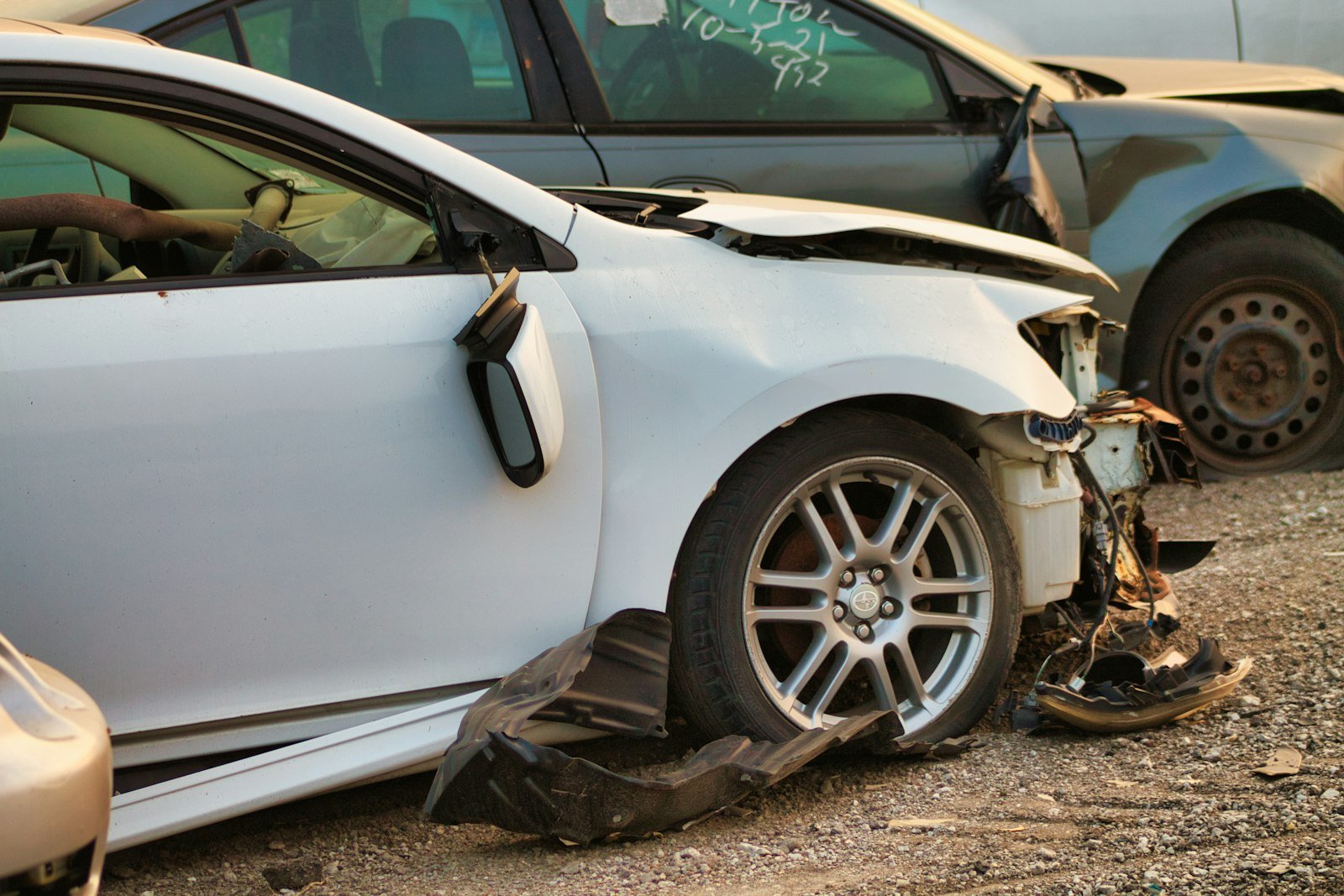
This is where many people make mistakes. A car that starts and moves may still be unsafe. Look for these warning signs before you drive away.
- Leaking fluids: coolant, oil, brake fluid or fuel.
- A bent wheel, a leaning stance or tires rubbing on bodywork.
- Warning lights on the dash, especially brakes, airbags, steering or engine.
- Hanging bumpers, loose panels or sharp metal edges.
- Cracked windshield or broken lights.
- Odd steering, pulling to one side or grinding noises.
- Airbags that have deployed. Most vehicles should not be driven afterward until they are inspected.
If you are not sure, do not drive it. A tow is cheaper than a second collision. You can read about the right truck for different vehicles in our guide on flatbed, wheel lift and hook and chain towing.
Step 7: Arrange the tow yourself
This is the part that surprises people the most. After a collision, you usually have the right to choose who tows your vehicle and where it goes. A tow truck may arrive at the scene without you calling, sometimes because police called a rotation operator, and sometimes because a driver is simply listening to a scanner. If you did not request the truck, you can still decline and call your own provider. If police have asked for a vehicle to be moved from a hazardous position, cooperate, but you may still be able to choose where it goes next.
Before agreeing to any tow, ask:
- Who is the company, and what is the name on the truck?
- What is the total cost, and what does it include?
- Where will the vehicle be taken, and is there a storage fee?
- Can I pick the destination, such as my repair shop or my home?
- Do you work directly with my insurer?
For red flags to watch for, see our article on common towing scams. In short, be wary of any driver who pressures you, refuses to give a price or insists on a destination you did not choose. Our accident recovery page explains how we handle scene recoveries.
Step 8: Tell the tow company about the situation
When you call us on (780) 604-4060, give the dispatcher these details so we can send the right equipment.
- The location and a nearby landmark.
- The type of vehicle and its drivetrain.
- The nature of the damage and whether it can roll.
- Whether it is in a ditch, on a slope or blocking traffic.
- Whether the police are attending.
- Your insurer and any claim number, if you have one.
- Where you want the vehicle to go.
For damaged vehicles, a flatbed is usually the safest choice, since a bent axle or damaged steering can make rolling wheels dangerous.
Step 9: Take your belongings and documents
Before the vehicle is moved, remove valuables, medication, child seats (which may need to be replaced after a collision) and important documents. Take your registration and insurance papers, and anything you will need in the days ahead. If the car will sit in a yard or shop for a while, empty it of anything attractive to thieves.
Photograph the interior and the odometer before you leave it. If the tow operator notes the condition of the vehicle and its contents, ask for a copy.
Step 10: Follow up with your insurer and a doctor
Report the claim as soon as possible, and give your insurer the photos, notes, and tow details. Ask about:
- Whether your policy covers towing, storage and a rental vehicle.
- Which repair shops are approved, and whether you can use your own.
- Whether an adjuster must inspect the vehicle before repairs.
- What happens if the car is declared a total loss.
If you feel any pain or symptoms in the following days, see a doctor and keep a record. Some injuries appear later, such as whiplash or concussion symptoms.
What if the car is a total loss?
Sometimes the repair cost is higher than the value of the car. Insurers then settle with a payout and take the vehicle. If you decide not to repair a badly damaged vehicle, or you are paid out and keep it, you might consider selling it for scrap. Our junk car removal service handles unwanted vehicles, with the proper paperwork. Talk to your insurer before deciding, since the vehicle may belong to them after a settlement.
Special situations
Winter collisions
Ice, snow and cold weather add danger. Black ice can catch you when you step out of the car, vehicles can slide, and a stationary vehicle on a plowed road is easy to hit. Stay visible, stay off the road and keep warm. Read our tips on the cold weather starting problems in case your car will not restart after a minor knock.
Collisions on the Henday or highways
On high-speed roads, never stand between lanes. Stay behind the barrier if you can, and call 911 if you are in a live lane. Tow operators are trained to work in traffic, and will use lights and cones, but your safety comes first.
Single-vehicle crashes
Hitting a curb, pole or ditch can feel minor and cause serious hidden damage. Suspension, steering and tires may be affected. Treat it like any other collision and let a professional check the vehicle before driving.
Hit and run or parked car damage
If your parked car is hit and the other driver leaves, take photos, note any witnesses or cameras nearby and call the police. Then contact your insurer.
Mistakes to avoid
- Admitting fault at the scene. Stay factual and polite, and let insurers decide.
- Leaving the scene. Do not leave until the proper steps are done.
- Accepting any tow offered without question. You can choose.
- Skipping photos. They are your best evidence.
- Driving a damaged car. It may be unsafe even if it starts.
- Delaying your claim. Report promptly.
- Ignoring small pains. Get checked.
A quick checklist to keep in your glovebox
- Safety first: check people, switch on hazards, call 911 if needed.
- Move the vehicles only if it is safe and minor.
- Exchange details and gather witness information.
- Take photos and notes.
- Call your insurer and, if required, the police.
- Arrange your own tow and tell them the destination.
- Remove valuables and documents.
- Follow up on the claim and any medical concerns.
Frequently asked questions
Do I have to report every accident to police in Edmonton?
Not always. The rules depend on injuries and damage amounts, and the damage threshold changed in 2024. Check alberta.ca for the current rules, or call the police non-emergency line if unsure.
Can I choose my own tow truck after an accident?
Usually yes, unless police need a vehicle moved immediately from a hazard. Ask the price and the destination before agreeing.
Should I move my car after a minor collision?
If it is safe, drivable and not blocking traffic, move it to the side. Take photos first when possible.
Will insurance pay for the tow?
Often, depending on your policy. Contact your insurer and ask about towing, storage and rental cover.
Where will my car be taken?
Wherever you choose, such as a repair shop, your home or an insurer-approved yard. Tell the dispatcher before the truck leaves.
How fast can you reach an accident scene?
We quote a typical 30 to 45 minutes and tell you honestly if conditions will change it.
Need a tow after a collision?
Phone Maxim Towing & Recovery on (780) 604-4060, 24 hours a day. We will ask where you are, what happened and where the vehicle should go, then send the right truck. See our roadside services or send a message through the contact page.
{“@context”:”https://schema.org”,”@type”:”FAQPage”,”mainEntity”:[{“@type”:”Question”,”name”:”Do I have to report every accident to police in Edmonton?”,”acceptedAnswer”:{“@type”:”Answer”,”text”:”Not always. The rules depend on injuries and damage amounts, and the damage threshold changed in 2024. Check alberta.ca for the current rules.”}},{“@type”:”Question”,”name”:”Can I choose my own tow truck after an accident?”,”acceptedAnswer”:{“@type”:”Answer”,”text”:”Usually yes, unless police need a vehicle moved immediately from a hazard. Ask the price and the destination before agreeing.”}},{“@type”:”Question”,”name”:”Should I move my car after a minor collision?”,”acceptedAnswer”:{“@type”:”Answer”,”text”:”If it is safe, drivable and not blocking traffic, move it to the side. Take photos first when possible.”}},{“@type”:”Question”,”name”:”Will insurance pay for the tow?”,”acceptedAnswer”:{“@type”:”Answer”,”text”:”Often, depending on your policy. Contact your insurer and ask about towing, storage and rental cover.”}},{“@type”:”Question”,”name”:”Where will my car be taken?”,”acceptedAnswer”:{“@type”:”Answer”,”text”:”Wherever you choose, such as a repair shop, your home or an insurer-approved yard.”}},{“@type”:”Question”,”name”:”How fast can you reach an accident scene?”,”acceptedAnswer”:{“@type”:”Answer”,”text”:”We quote a typical 30 to 45 minutes and tell you honestly if conditions will change it.”}}]}
One Response