
The engine coughs, surges, coughs again and dies. The dashboard lights are still on, but the car is coasting, and you know exactly what has happened. You have run out of gas. It is embarrassing and it is common, and it can be dangerous if it happens on a fast road in the dark or in an Alberta cold snap. This guide explains what to do in the first minutes, how to get fuel to your car, what to avoid so you do not damage the engine, and how to stop it happening again.
Why people run out of fuel
Almost nobody plans to run dry. It tends to happen for ordinary reasons.
- Trusting the gauge. Fuel gauges are not precise, especially near empty. The needle can hold steady and then drop quickly, and the range display is only an estimate.
- Cold weather. In very cold conditions, fuel economy drops, because engines run richer, idling takes more fuel and heaters and defrosters use power. A tank that lasted 500 km in summer may last much less.
- Longer trips than expected. A detour, a traffic jam on the Henday or a closed road can use a lot of fuel.
- Faulty gauges or sensors. A failing sender can show fuel when there is none.
- Deferring the fill-up. It is easy to think you can make it home.
- Leaks or theft. It is rare, but a leaking tank or a siphoning thief can explain a sudden empty.
When it happens: stay safe first
As the car begins to lose power, you still have a short time to steer and brake. Use it well.
- Turn on your hazard lights right away.
- Keep control. Power steering and power brakes lose assistance when the engine stops, so the wheel and pedal will feel heavy. Steer firmly and brake early and steadily.
- Coast to a safe place. Aim for a parking lot, a side street or a wide shoulder. Use your momentum to reach it.
- Stop as far from traffic as you can, with the wheels turned away from the road.
- Apply the parking brake.
- Decide whether to stay in the car. On a fast highway, staying belted in with hazards on is usually safest. In a quiet area, you may stand well away from the road. Never stand in a traffic lane.
If you are on a freeway such as the Anthony Henday, Whitemud Drive or Yellowhead Trail, and the car dies in a live lane, keep the hazards on, stay buckled in and call for help right away. If you have nowhere safe to stop and cannot move, call 911 and say you are in a live lane.
Getting fuel to your car
You have a few options, and the best depends on where you are and what you have.
Call a fuel delivery service. This is the simplest and safest answer. Our fuel delivery service brings fuel to your car, so you can get going without walking along a road or carrying a can. Tell the dispatcher your location and what fuel your vehicle uses. We accept cash, credit and debit.
Walk to a station with a can. If a station is very close and the walk is safe, it can work, but only if you have an approved container. Walking along a highway shoulder in the cold, in the dark or with traffic rushing past is risky, and carrying fuel in an unapproved container is unsafe. We do not recommend it on a busy road.
Ask a friend or family member. They can bring fuel in a proper container. Make sure they know exactly where you are, and that they park safely.
Tow it. If the car stalled for another reason, or you are unsure, a tow to a station or a shop may be better. A flatbed tow is the safest way to move most cars.
What fuel, and how much?
Always put the right fuel in your car. Check the label inside the fuel door, or your manual. Putting gasoline in a diesel car, or diesel in a gasoline car, can seriously damage the engine, and it is an expensive mistake. If you are unsure, say so, and the driver will confirm.
A small amount of fuel is enough to get to a station. A few litres will usually move most cars many kilometres. But a diesel engine can need more, because air can enter the fuel system when it runs dry, and it may need to be bled or primed before it will start. Tell the driver if you have a diesel, because they may need to do more than just add fuel.
Will it start right away?
After adding fuel, the engine may need a few attempts. Fuel has to travel from the tank to the engine, and the system needs to fill. Turn the key to the on position for a few seconds before starting, so the fuel pump primes, and repeat if needed. Do not crank the engine continuously for more than about ten seconds, because you can overheat the starter. If the car does not start after several tries, stop, wait, and call for help. Something else may be wrong, for example a weak battery from repeated cranking, or a clogged fuel filter.
Can running out of gas damage the engine?
Sometimes, yes, though it is less common than people fear. The main risks are these.
- The fuel pump. In many cars the electric fuel pump sits in the tank and uses fuel to stay cool. Running it dry repeatedly can wear it out sooner.
- Debris. Sediment at the bottom of the tank can be sucked into the system when the level is very low, which can clog the filter.
- Diesel systems. As noted, air in the lines can make restarting hard and can damage injection components if the engine is cranked a lot.
- Catalytic converter. Misfires from fuel starvation can send unburned fuel into the converter, which can harm it over time.
A single run-dry is usually survivable, but a habit of running on fumes is not. Keep the tank above a quarter, and your car will last longer.
Winter makes it worse
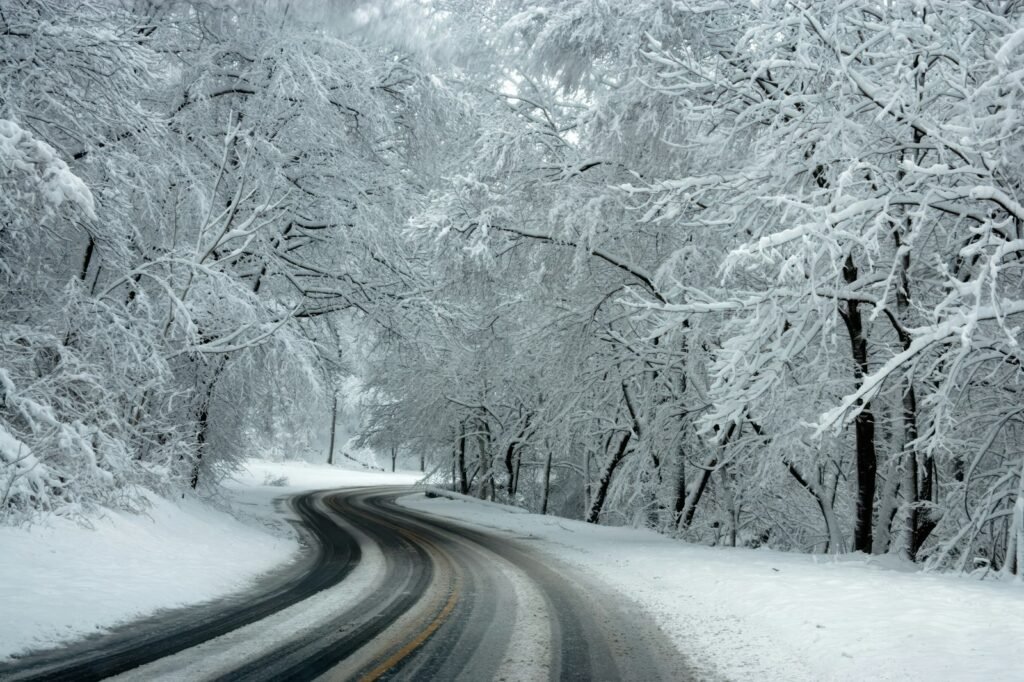
In an Edmonton winter, running out of gas is more dangerous. Cold saps your phone battery and your body heat, daylight is short, and help may take longer in a storm. Without the engine, you also have no heat. If you are stranded, stay in the car, keep warm with blankets or extra clothing, and do not run the engine for long periods with the exhaust blocked by snow, because carbon monoxide is a real danger. If you have fuel delivered and the car starts, let it warm up and check that the tailpipe is clear.
To reduce the risk, keep at least a quarter tank in winter, and top up before storms and long trips. A fuller tank also reduces condensation, which can cause fuel line freeze-up. Our guide to a winter car emergency kit lists what to carry in case you are stranded.
How to avoid running out of fuel
- Fill up at a quarter tank. Make it a rule, not a suggestion.
- Know your range. Learn how far your car goes on a tank in different seasons.
- Plan long trips. Note stations along the route, especially in rural areas where they are far apart.
- Do not trust the display blindly. The range estimate can drop quickly in cold or at highway speed.
- Watch for warning lights. When the low fuel light comes on, head for a station at once.
- Check for leaks. If your fuel drops faster than usual, or you smell fuel, have the car inspected.
- Save our number. If it happens, you can call in seconds.
What to tell the dispatcher
When you call, give your exact location, with the street or highway, direction and nearest landmark, the make, model and year of the vehicle and the type of fuel it uses. Say whether it is a diesel and whether the car has stalled completely. Mention if you are on a highway or in a hazardous spot. Our typical arrival window is 30 to 45 minutes, though weather and call volume can change it, and we will tell you honestly what to expect.
Call Maxim Towing
If you have run out of fuel in Edmonton, Sherwood Park, St. Albert, Spruce Grove, Leduc or the surrounding area, call us any hour at (780) 604-4060. We can deliver fuel, boost a battery that was drained by cranking, change a tire or tow your car. See our roadside assistance page, or the contact page.
Myths about running low on fuel
A few ideas about fuel get repeated so often that people treat them as fact. Here are the most common, and what is closer to the truth.
Myth: you can drive many kilometres after the light comes on. Some cars can, but there is no universal number. The reserve varies by model, driving style and temperature, and the warning light does not tell you exactly how much is left. Treat the light as the moment to head for a station, not as a countdown you can stretch.
Myth: running the tank low saves money. Carrying less fuel makes the car marginally lighter, but the saving is tiny compared with the risk of being stranded. Meanwhile, a nearly empty tank means more air space, which allows more condensation to form in cold weather.
Myth: turning the engine off and on again will give you extra range. It does not, and repeated attempts can drain the battery.
Myth: a quick fill with a little fuel always fixes it. Usually it does, but if the real problem is a failing pump, a clogged filter or a bad sensor, adding fuel will not help. If the car still will not run after fuel is added, something else is wrong.
Hybrids and electric vehicles
If you drive a hybrid, you can still run out of fuel, and a hybrid that has no fuel may run only on its battery until that is depleted as well. The car may then shut down completely. Plug-in hybrids give a similar experience. Fully electric vehicles do not use fuel, but they can run out of charge, and that is a different situation. We cover electric vehicles, and why they should usually be moved on a flatbed, in our article on towing electric and all-wheel-drive vehicles. If you are not sure what to do with your particular car, call and ask. We would rather answer a question than have you guess.
Cold weather fuel economy, in plain terms
Winter takes a surprising bite out of range. Cold air is denser, which increases aerodynamic drag. Engines take longer to reach operating temperature and run less efficiently while they warm up. Winter fuel can burn differently. Heaters, defrosters, heated seats and lights add load. Snow and slush add rolling resistance, and tires lose pressure in the cold. Add idling to warm the car, and a trip that used a quarter tank in summer can use a third or more in January. The practical answer is to fill up earlier in winter and to keep your tank higher than you think you need.
A simple plan for next time
Decide now what you will do if it happens, so you are not improvising in the cold. Save our number in your phone, keep a charged cable in the car and note your fuel type on a sticker inside the glovebox. Agree with your family that anyone who is stranded calls first and then shares a live location. If you are travelling with children or pets, keep blankets, water and snacks within reach. And once you have fuel again, make a point of filling the tank right away, so a one-time mistake does not turn into a pattern. A few minutes of planning really does make the next surprise much easier to handle, and much safer for everyone in the car.
Frequently asked questions
Can you bring gas to me in Edmonton?
Yes. Our fuel delivery service brings fuel to your location. Tell us what fuel your vehicle uses.
How much fuel do I need to restart the car?
A few litres usually gets most cars to a station, but a diesel can need more and may need priming.
Is it safe to walk to a gas station?
Only if it is very close and the route is safe. On a highway or in the dark or cold, staying with the car and calling for help is safer.
Will running out of gas damage my car?
A single occasion usually does not, but repeated run-outs can wear the fuel pump and pull debris into the system.
What if the car will not start after adding fuel?
Turn the key to on for a few seconds to prime the pump, try again briefly, and if it still will not start, call for help.